






Profile
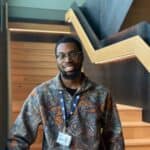
Tade Elesheku
-
About Me:
I live in north London, Enfield. I’m essentially a jack of all trades when it comes to work, but for enjoyment, I run track (100m & 200m) for a local club. I support Arsenal and, play fifa at times!
-
Read more
Track’s been a massive part of my life – I used to do track and field back in secondary school, mostly sprints, and I was one of the fastest in my school. Sadly dropped it for a while, but I’ve recently got back into it and it’s going really well! I’m now starting to compete in regional competitions, specialising in the 100m, 200m, and 4x100m relays. There’s nothing quite like that feeling of racing.
When I’m not on the track, you’ll probably find me gaming. I’m often on EA FC 26 or discovering new games to get into. Music’s another big one for me – I’m big on Hip Hop/RnB and UK rap, but honestly, I love all genres. I’m pretty open when it comes to music.
A bit about my background – I was actually born in Louisiana, USA (makes for interesting conversation!), but I was raised here in North London. My ethnic background is Black Nigerian. And, I’ve been an Arsenal fan from birth – it’s in the blood! My favourite Arsenal player of all time? Theo Walcott. Why? Well… because he was fast, obviously!
-
My pronouns are:
he/him
-
How I use Science in my work:
I work at a medical research centre where our main focus is discovery science – basically, we’re finding new methods and approaches that could potentially be used to treat patients in the future. A lot of what we do builds on the biology and chemistry you learn at school, like understanding how cells work and how different chemicals interact in the body, but we take it further to develop breakthrough treatments that could change lives.
-
My Work:
Science Communications Officer – Internal. I make sure everyone in our building knows what’s happening at out instiute.
-
Read more
As a Science Communications Officer, my main job is making sure our 400 staff members know what’s happening across the building. We’ve got loads of different research groups and activities going on, so I keep everyone in the loop – whether it’s important updates, new discoveries, or upcoming events.
I create a weekly newsletter and a monthly newsletter to keep everyone informed. I also manage our digital platforms – the intranet (our internal website where staff find resources and news) and the digital screens around the building that show events and announcements.
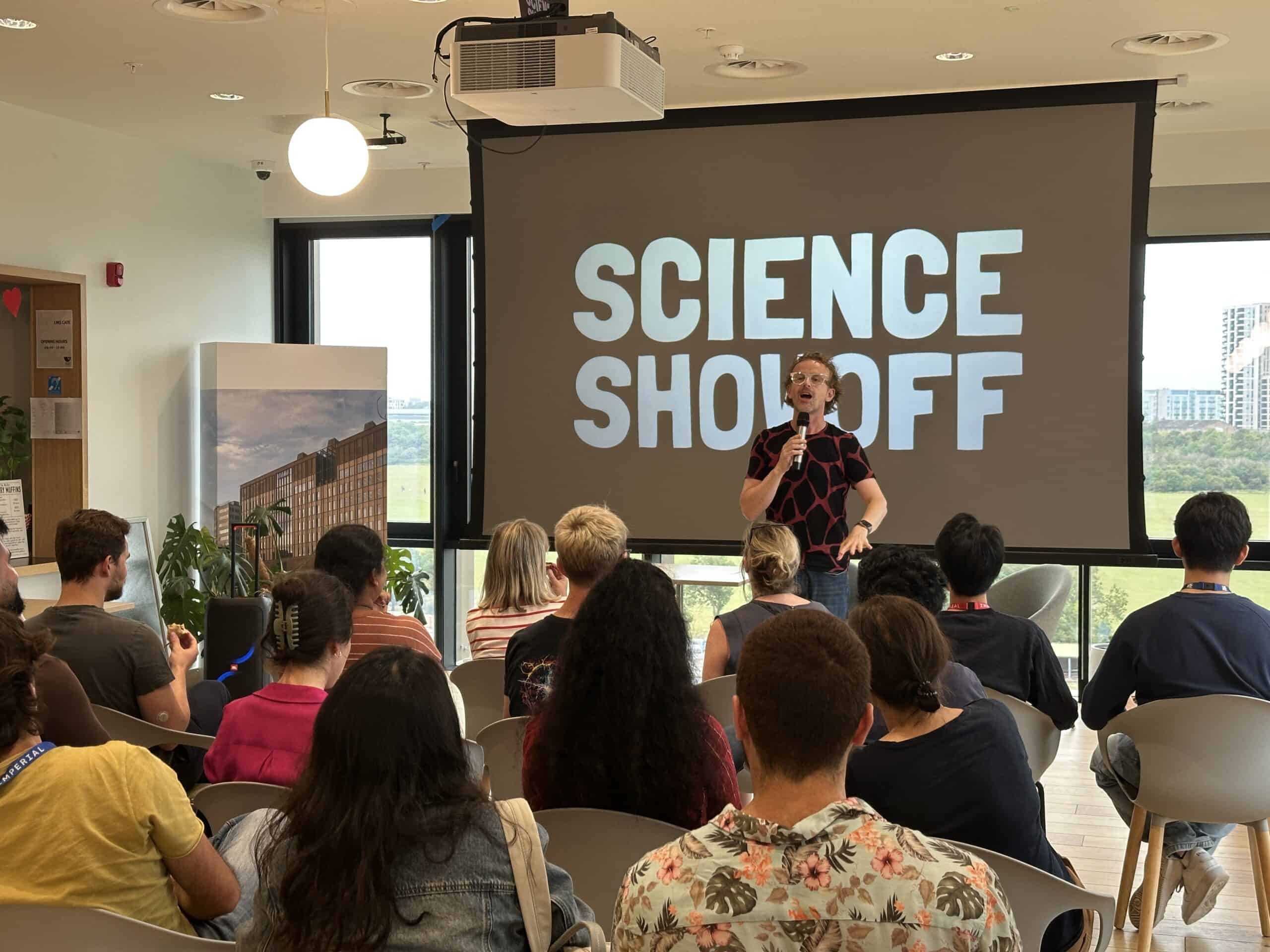
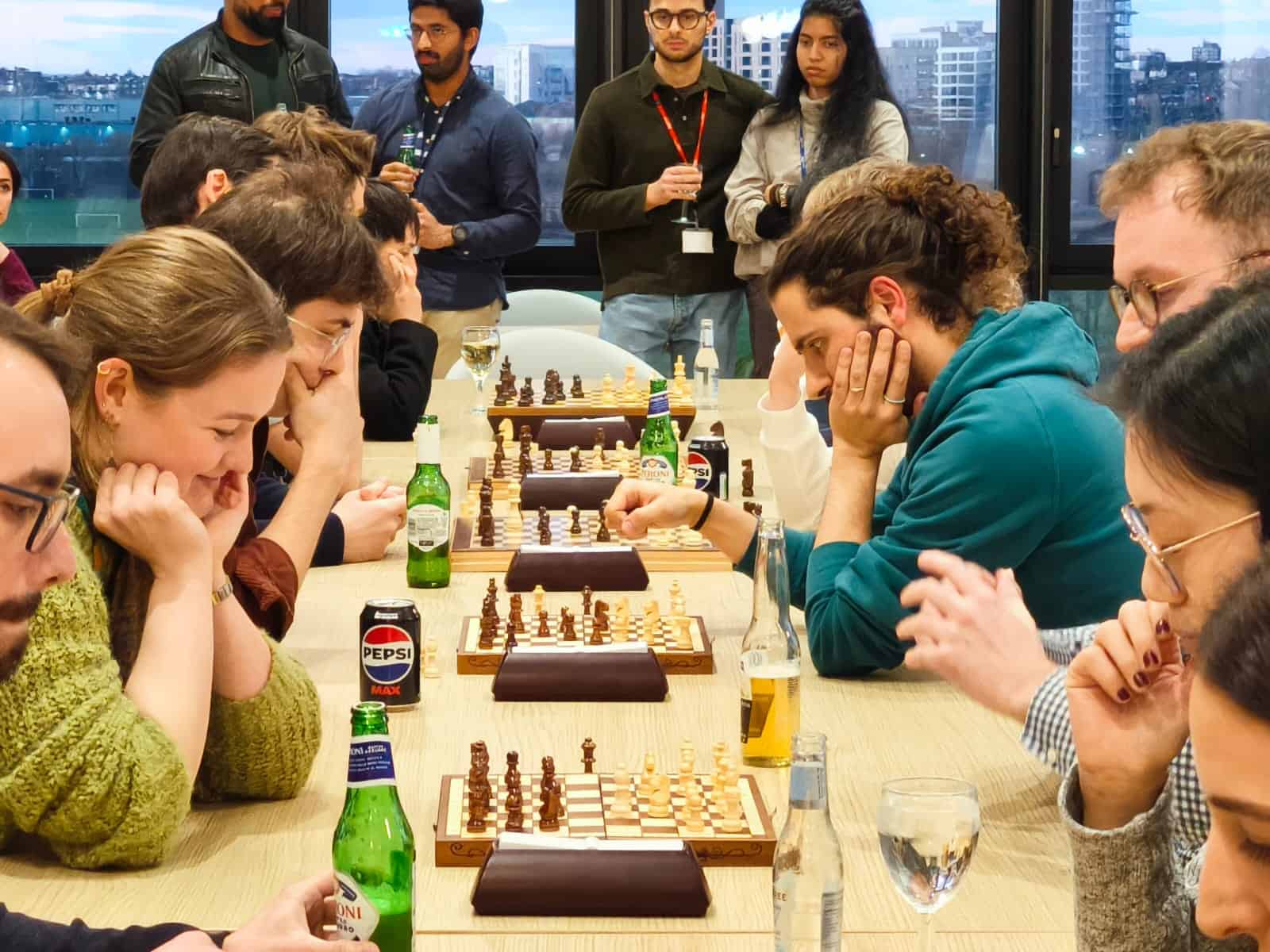
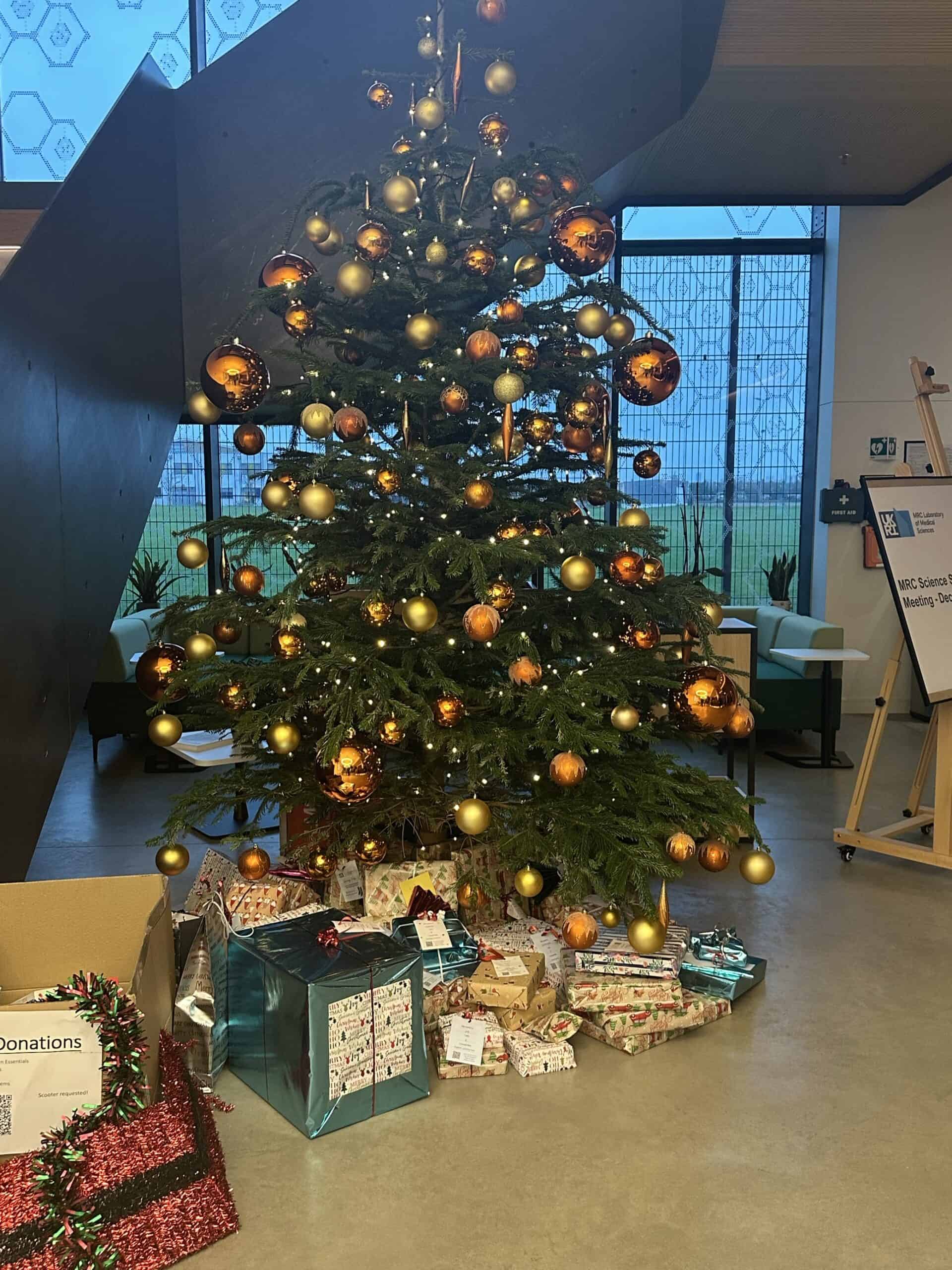
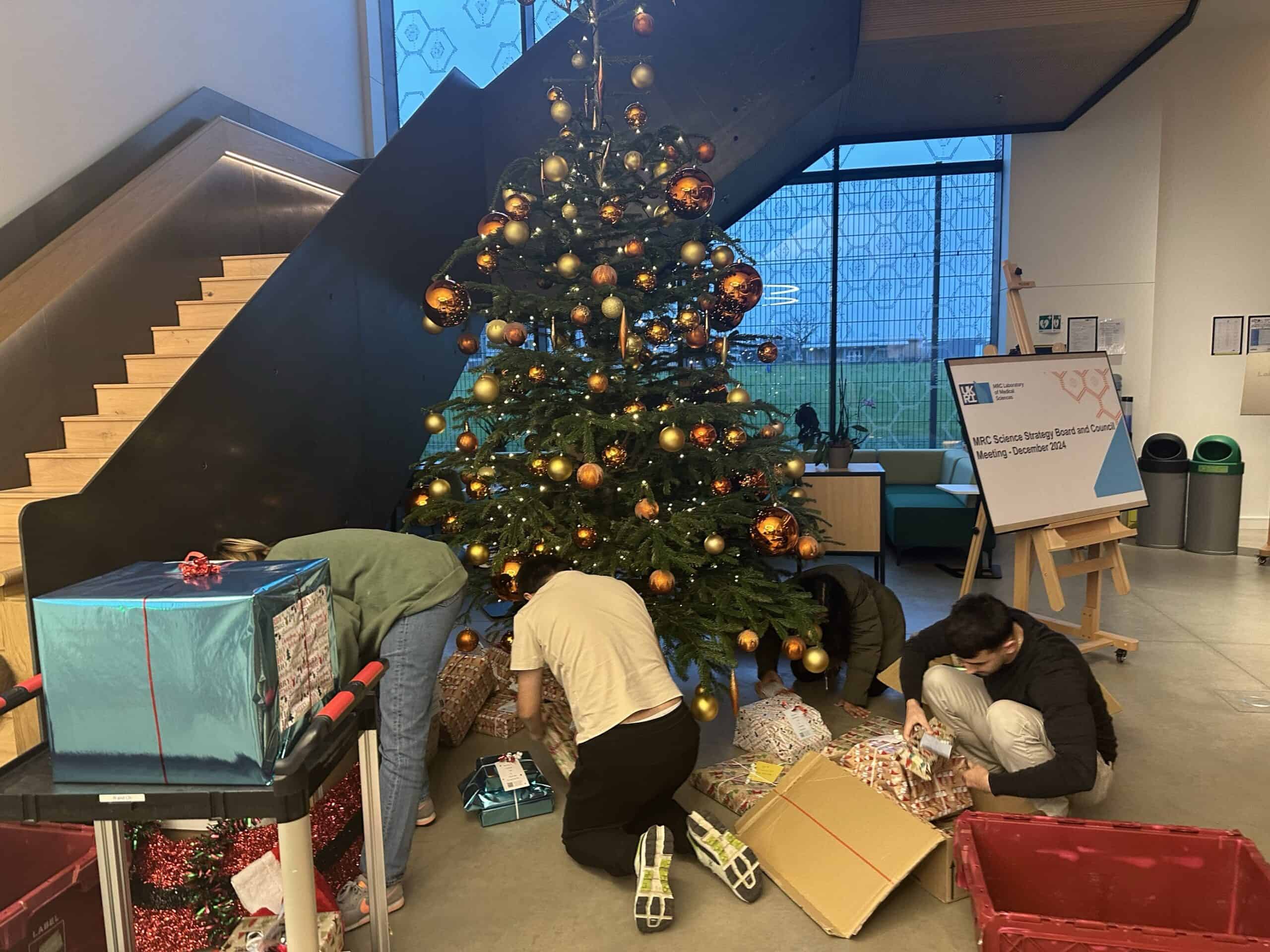
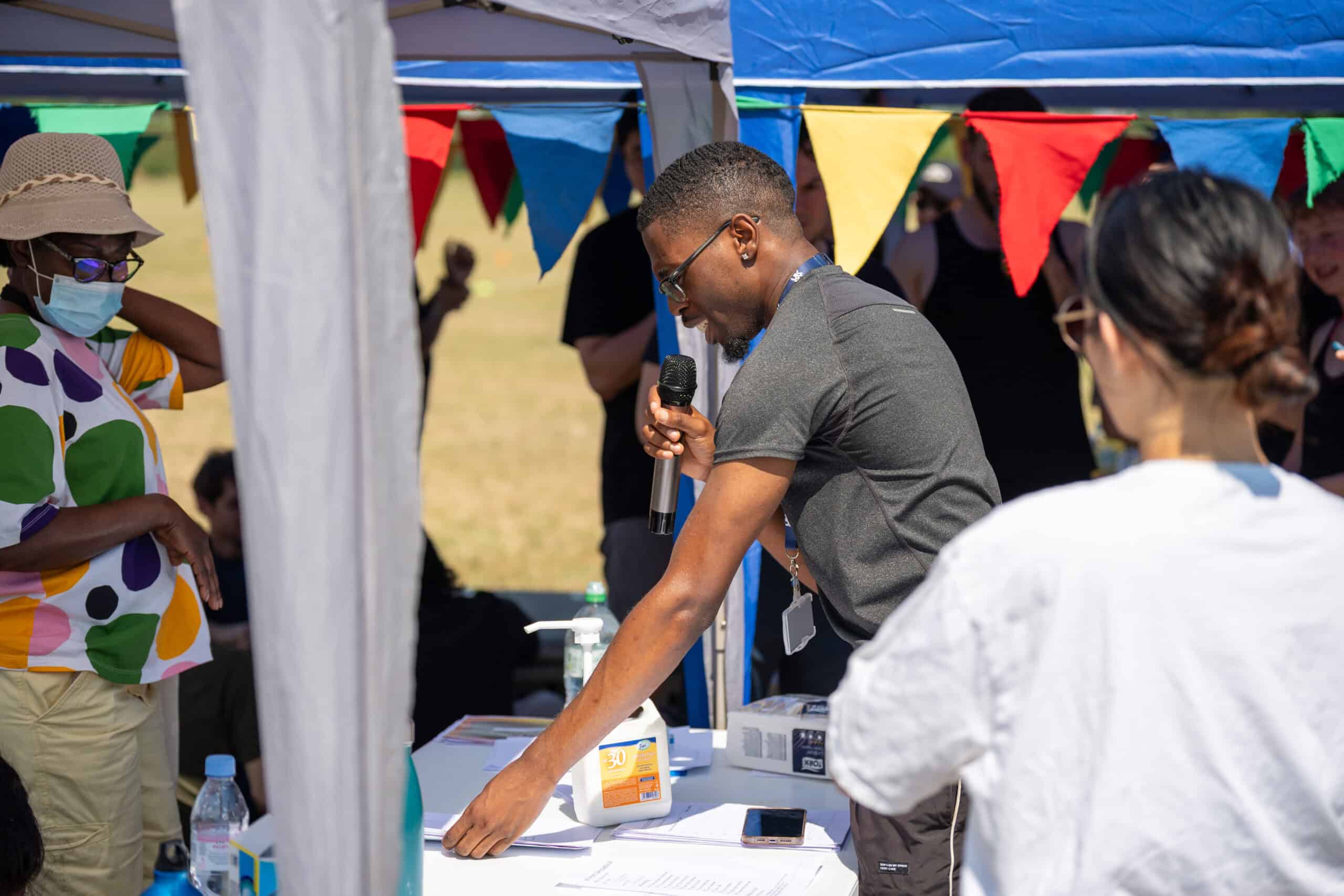
A massive part of my role is organising events to keep everyone happy and connected. I plan things like sports days, yoga sessions, social events, Black History Month celebrations, and other activities that bring people together. It’s all about creating a good atmosphere where people enjoy coming to work!
I also sit on several committees. There’s the wellbeing committee (making sure people are doing okay and not too stressed), work-life balance committee (making sure people aren’t working too much), the greening committee (helping us be more eco-friendly and not waste things), and the students and postdocs committee (making sure their voices are heard). These groups work together to make our workplace better for everyone.
I also handle meeting invitations, create content for the screens around the building, help research teams with their communications, and work on bigger projects like creating guides and improving how we share information.
Basically, if something’s happening in the building, I’m probably involved in making sure people know about it or helping to organise it!
-
My Typical Day:
I love track, so I wake up very early and get to work at 8am to train on the track right outside our office. After training, I’m back at my desk working on newsletters, organizing events, and keeping everyone informed. My job involves moving around the building a lot, so I’m always chatting with people and getting to know staff along the way. I finish work at 5pm.
-
Read more
Since I love track and try to train 5 times a week, my days start very early! We’re lucky to have a track right outside our office, so I get to work at 8am to fit in a morning training session before the day properly begins. It’s a great way to start the day and clear my head before getting stuck into work.
Once I’m back at my desk, my day is always different. I might be writing our weekly or monthly newsletters. I could be organizing upcoming events like sports days, yoga sessions, or social gatherings. Sometimes I’m creating content for the digital screens around the building (these are like TV screens that display announcements and event information). Other times I’m in committee meetings, where different groups discuss how to improve things like staff wellbeing or make the building more eco-friendly. My Job is like a school day, everyday is different!
The best part of my job is that I’m never stuck at my desk all day. I’m constantly moving around the building – checking in with different teams, attending meetings, or just chatting with people in the corridors. This means I get to know loads of people across the institute, from scientists to support staff, which makes my job really enjoyable.
I finish work at 5pm, and if I haven’t trained in the morning, I might squeeze in an evening session at the track before heading home!
-
What I'd do with the prize money:
I’d love to use the prize money to host a “Science of Speed” track event for local students. We’d combine athletics with science by exploring the STEM behind sprinting – things like the physics of motion and forces, how our muscles work (biology), and using data to measure and improve performance.
Students would get hands-on experience timing their sprints, calculating speeds and acceleration, and learning about biomechanics (how our bodies move efficiently). They’d also learn how professional athletes use science and technology to improve their performance. It’s a fun way to get students active whilst showing them that STEM is everywhere – even in sports!
The event would take place on our track right outside the office, making it easy to organise. Part of the prize money would also go towards prizes for the winners, which adds a competitive element and gives students something to work towards!
-
Education:
Primary school – St Georges R.C. Primary School – Enfield
This is where I started my education in North London. Primary school gave me the basic skills in reading, writing, and maths that I use every day in my job. It also taught me how to work with others and communicate clearly!
Secondary school – St Ignatius College – Enfield
This is where my love for science and track really developed. I studied science subjects which sparked my interest in how the body works and the world around us. I was also one of the fastest sprinters in my school, which taught me discipline, time management, and how to balance different commitments.
College – Sir George Monoux College – Walthamstow
At college (sixth form), I continued my science studies and developed my writing and communication skills. This is where I learned to present information clearly and work on longer projects, which is exactly what I do now when creating newsletters and organizing events.
University – Brighton University – Brighton
At Brighton, I studied biomedical sciences. This gave me a solid understanding of science and research, which is crucial for my role. I need to understand the scientific work happening at LMS so I can communicate it effectively to different audiences.
University (Teaching degree) – London Metropolitan University – Islington
I pursued a teaching qualification because I’m passionate about helping people learn and understand complex topics. Although I’m not a classroom teacher, I use these skills every day to explain scientific concepts in simple terms and to engage staff through newsletters, events, and communications.
-
Qualifications:
10 GCSEs – 1A, 7As, 2Bs*
GCSEs are the qualifications you take at the end of secondary school (around age 16). Mine covered subjects like English, Maths, Sciences, and others. These gave me a broad foundation of knowledge and strong communication skills.
3 A levels – CCD
A levels are the qualifications you take at college (ages 16-18) before university. I studied science subjects which deepened my understanding of how the world works. Even though my grades weren’t perfect, they taught me resilience and that it’s okay to struggle sometimes.
BSc Honours in Biomedical Sciences – 2:1
This is my undergraduate degree from Brighton University. Biomedical Science is all about understanding how the human body works, diseases, and potential treatments. This degree was crucial because it gave me the scientific knowledge I need to understand the research happening at LMS and communicate it accurately to others.
MRes in Biomedical Sciences – Merit
MRes stands for Master of Research – it’s an advanced degree focused on research skills. This taught me how to analyze complex information, manage projects, and present findings clearly. These skills are essential when I’m creating content about cutting-edge research or explaining scientific breakthroughs in our newsletters.
PGCE in Secondary Science with Chemistry – Distinction
PGCE (Postgraduate Certificate in Education) is a teaching qualification. Although I don’t teach in a classroom anymore, this qualification was incredibly valuable. It taught me how to explain complex science in simple terms, engage different audiences, and make information accessible.
-
Work History:
GCSE Tutor
I helped secondary school students with their science GCSEs. This taught me how to explain complex topics in simple ways and adapt my communication style to different people – skills I use daily in my current role.
Tesco Customer Assistant
Working in retail taught me excellent customer service, teamwork, and how to stay organized under pressure. I learned to handle multiple tasks at once, which is essential when managing newsletters, events, and urgent communications.
Tesco Personal Shopper
This role improved my time management and attention to detail – I had to be efficient and accurate whilst working to tight deadlines, just like I do now when creating weekly newsletters and organizing events.
NHS Support Worker (Bank)
Working in healthcare gave me insight into the medical world and how important clear communication is in science and medicine. It also showed me the real-world impact of medical research, which motivates me in my current role at a medical research centre.
Medical Writer
I created scientific content and documents for healthcare clients. This sharpened my science writing skills and taught me how to make complex research accessible to different audiences – exactly what I do in my newsletters now.
Content Creator for an Amazon Business
I created engaging online content to promote products. This taught me digital communication, how to capture people’s attention quickly, and how to use different platforms effectively – skills I use for our digital screens and intranet.
Trainee Science Teacher
Teaching science in schools developed my presentation skills and ability to engage audiences. I learned to make science exciting and relatable, which helps me create engaging communications and events at LMS.
-
Current Job:
Science Communications Officer (Internal)
My current role at MRC Laboratory of Medical Sciences, where I bring together all my previous experience to keep 400 staff informed, engaged, and connected through newsletters, events, and digital communications.
-
Employer:
MRC Laboratory of Medical Sciences (LMS)
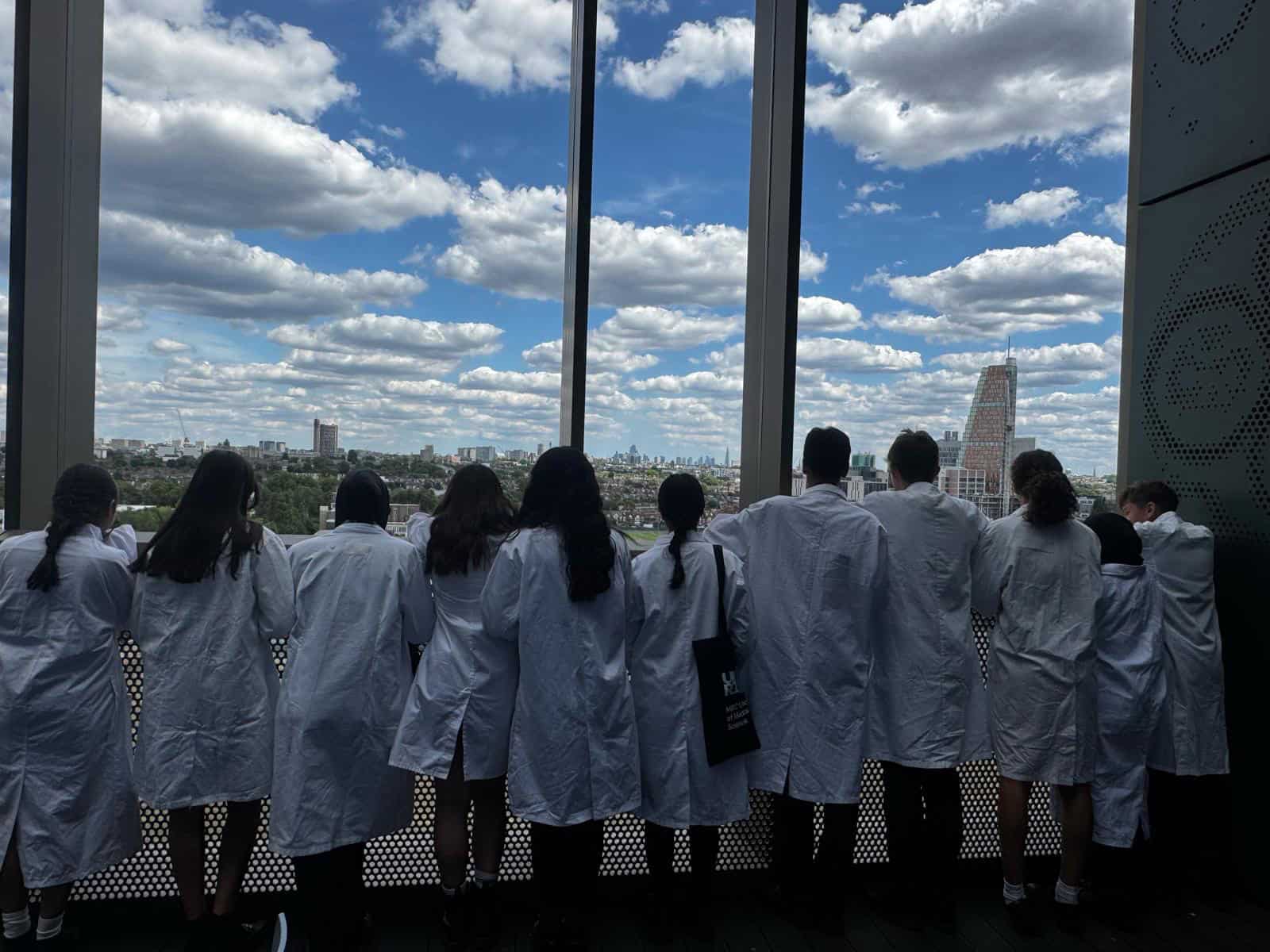
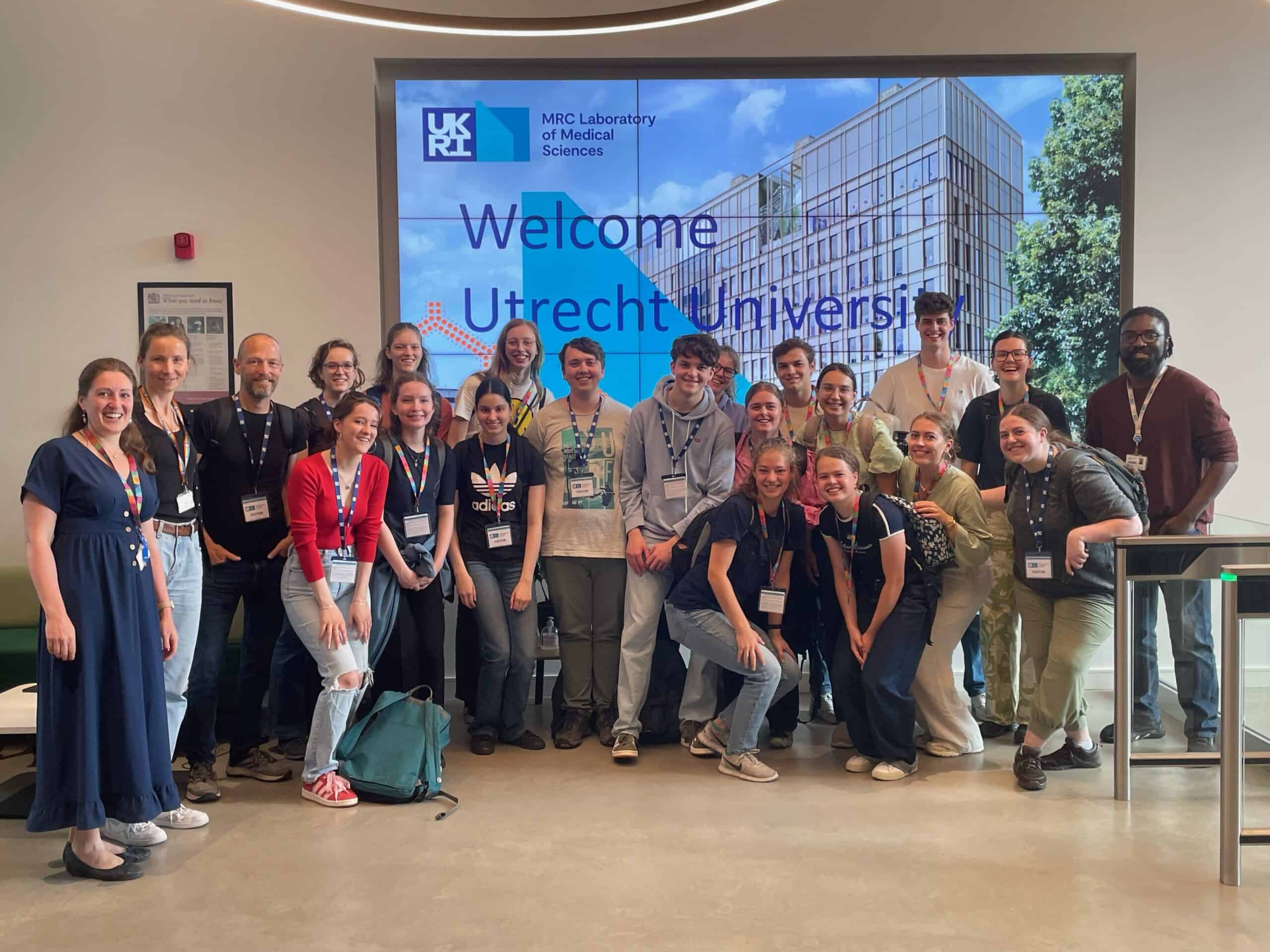
The MRC Laboratory of Medical Sciences (LMS) is a biomedical research institute based at Imperial College’s Hammersmith Hospital campus in West London. We’re one of only two laboratories in the UK fully funded by the Medical Research Council (UKRI).
Around 400 scientists work at the LMS, researching the fundamental mechanisms behind health and disease. Our research focuses on areas like heart disease, diabetes, ageing, cancer, and rare genetic conditions. The goal is to understand how our bodies work at a molecular level so we can develop better treatments and diagnostics for the future.
The LMS was founded in 1959 and has a brand new £120 million building that opened in 2023. The building was designed specifically for “team science” – bringing together scientists from different disciplines to collaborate and share ideas. It has 29 different research groups, each focusing on a different area of medical science.
As a discovery science institute, the LMS carries out fundamental research that aims to understand the basic principles of biology. This research is long-term and often takes years, but it’s essential for making breakthroughs that could help patients in the future. The LMS also trains the next generation of scientists through PhD programmes and fellowships.
The institute works closely with Imperial College London and Imperial College Healthcare NHS Trust, which means our research can potentially be translated into real-world medical applications relatively quickly.
-
My Interview
-
What did you want to be after you left school?
Doctor
Were you ever in trouble at school?
Not really, i only had a few detentions!
If you weren't doing this job, what would you choose instead?
Sprinter in athletics
Who is your favourite singer or band?
Squeeks
What's your favourite food?
Jollof rice
If you had 3 wishes for yourself what would they be? - be honest!
To be the fastest person in the world, to win the lottery, to be able to teleport
Tell us a joke.
Why are trains so good at there job....... Because they have a perfect track record...
-