

Profile
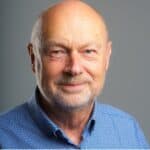
Zain Patel
-
About Me:
Hi, I’m Zain 👋 I’m curious, caring, and I really enjoy learning about people just as much as learning about science.
-
Read more
My journey into science wasn’t straight or planned. I didn’t always know what I wanted to do, and I’ve changed direction a few times along the way. What stayed the same was my curiosity and my interest in helping people and saving lives!
I really enjoy explaining things in simple ways and helping others feel confident asking questions, especially if science has ever felt confusing or “not for them”.
Outside of work, I enjoy travelling, and getting involved in community projects. I like meeting people from different backgrounds and hearing their stories because truthfully, there’s no single “correct” path into science.
-
My pronouns are:
He/Him
-
How I use Science in my work:
I use science to understand health, disease, and how we can help people in clinical settings and in public health.
-
My Work:
I work in healthcare and science, helping improve early cancer detection, disease diagnosis, and treatments whilst teaching students about health and biology.
-
Read more
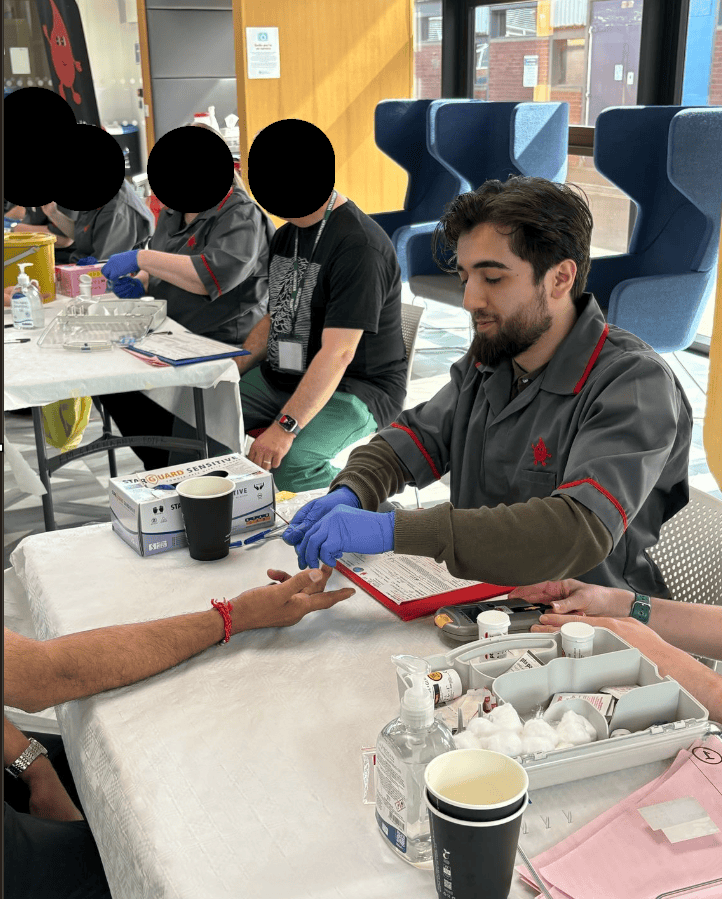
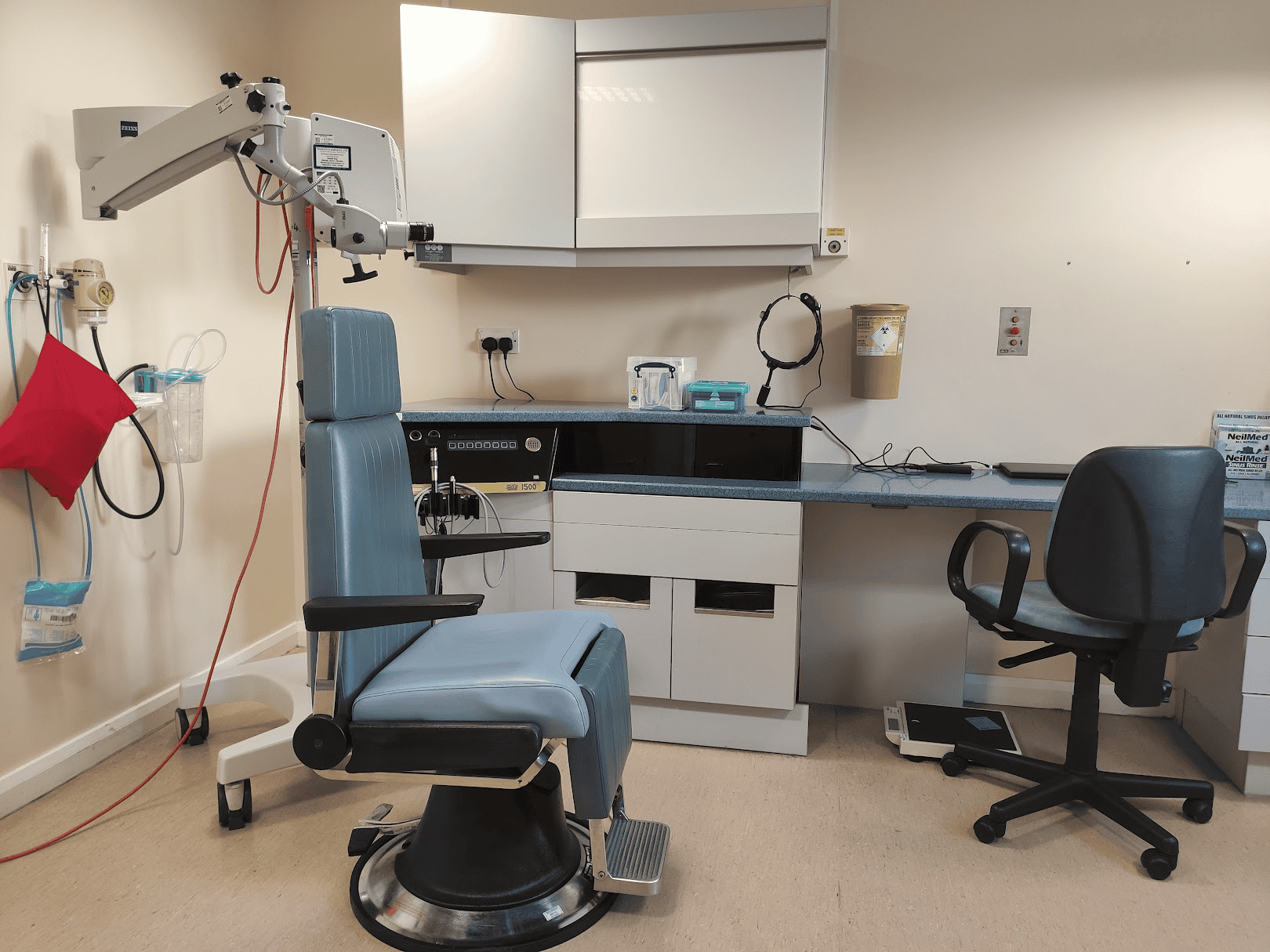
I work in the NHS, where I run screening clinics at GP practices, diagnose patient samples at hospitals, and support projects that aim to improve health and reduce inequality across the UK. This means using data, scientific skills, and talking to patients and our wonderful healthcare teams.
Alongside this, I also teach science and health subjects to students at different levels. I enjoy helping people understand topics like the human body, disease, and research in a way that makes sense and feels relevant.
My work is a mix of science, organisation, communication, and teamwork — and no two days are ever the same.
-
My Typical Day:
I wake up, have breakfast, and get ready for work. My day includes organising clinics, talking to people, working with data, and answering lots of questions. I then analyse diagnostic results from the lab. I usually finish the day by planning what needs to be done next. I’m home by the evening to unwind.
-
Read more
A typical day might start with checking emails and planning tasks. I might organise clinic bookings, update spreadsheets, or prepare information for healthcare teams. I often speak to patients, doctors, or community groups, explaining things clearly and answering questions.
Some days include teaching or training, where I help students and medics learn about science and health. Other days involve analysing data to see how well a project is working. Even though the tasks change, the goal is always the same: using science to help people.
-
Education:
I went to secondary school in the UK, where I first became interested in science through subjects like biology. I was especially interested in learning how the human body works, how illnesses develop, and how science can be used to help people feel better and live healthier lives.
At school, I didn’t have a clear picture of what job I wanted to do in the future. I enjoyed learning, but I also found it challenging at times and didn’t always feel confident. What helped me most was realising that asking questions, being curious, and putting in effort mattered more than having everything figured out.
Looking back, school was important because it gave me my first exposure to science as something connected to real life, not just textbooks. It also showed me that it’s okay not to know your final destination straight away — something I think is important for students to hear.
-
Qualifications:
From around the age of 15, I completed my GCSEs, including science subjects that gave me a foundation in biology, chemistry, and basic scientific skills. These qualifications were important because they opened the door for me to continue studying science and helped me build confidence in my ability to understand complex topics.
After GCSEs, I continued with A-level studies, and later moved into higher education studying a bachelors in Healthcare Science at University of Lancashire, where I focused on biomedical science, healthcare, and research. During this time, I developed a deeper understanding of human biology, disease, laboratory methods, and how data is collected and analysed in science.
I also completed additional training and professional development alongside my studies and work. This included learning about clinical research, data analysis, leadership, and public health. Each qualification added a new skills like accuracy, responsibility, communication, and working to professional standards.
-
Work History:
My work history has involved several different roles, and it hasn’t followed a straight or predictable path. I think this is important, because it shows that careers can grow in stages and directions you don’t always expect.
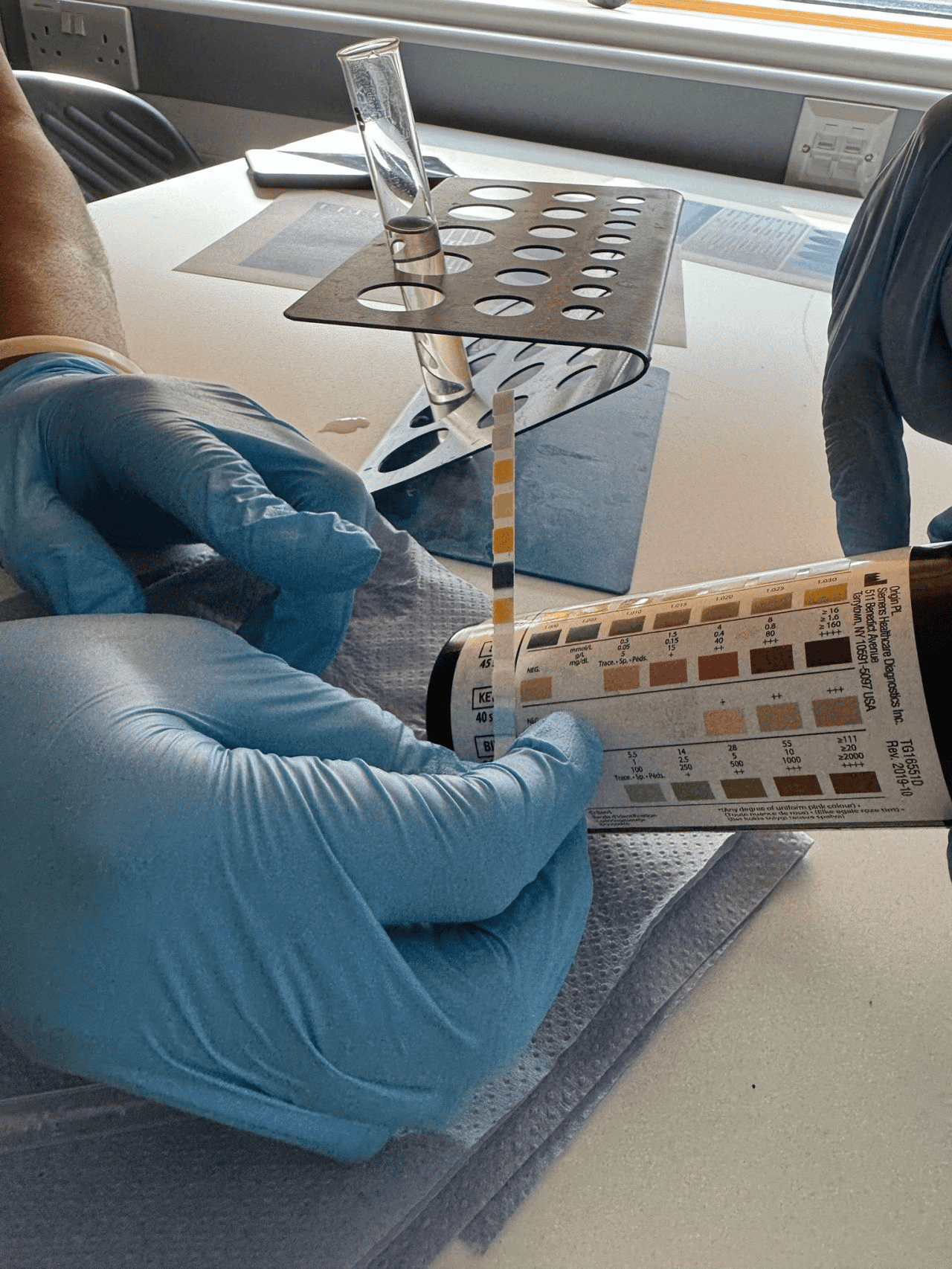
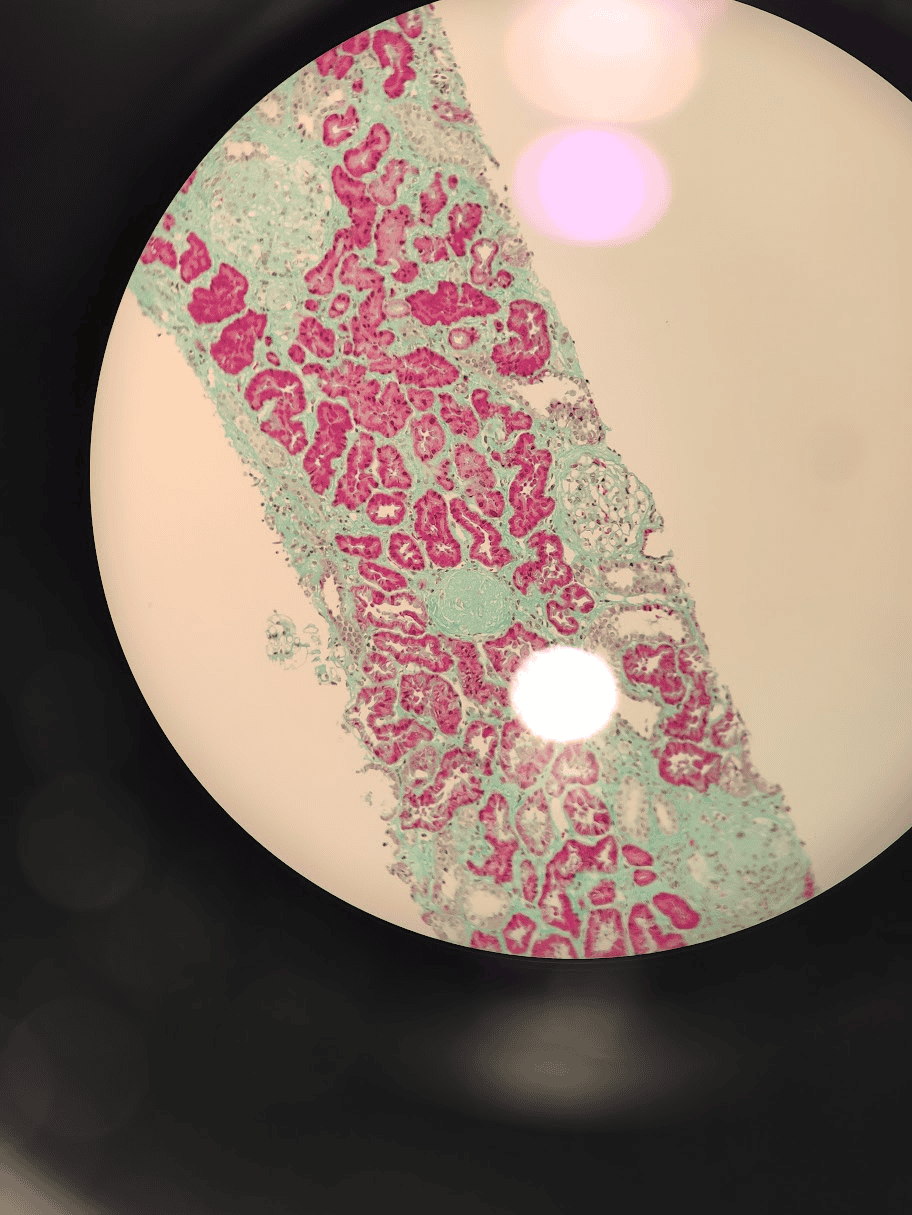
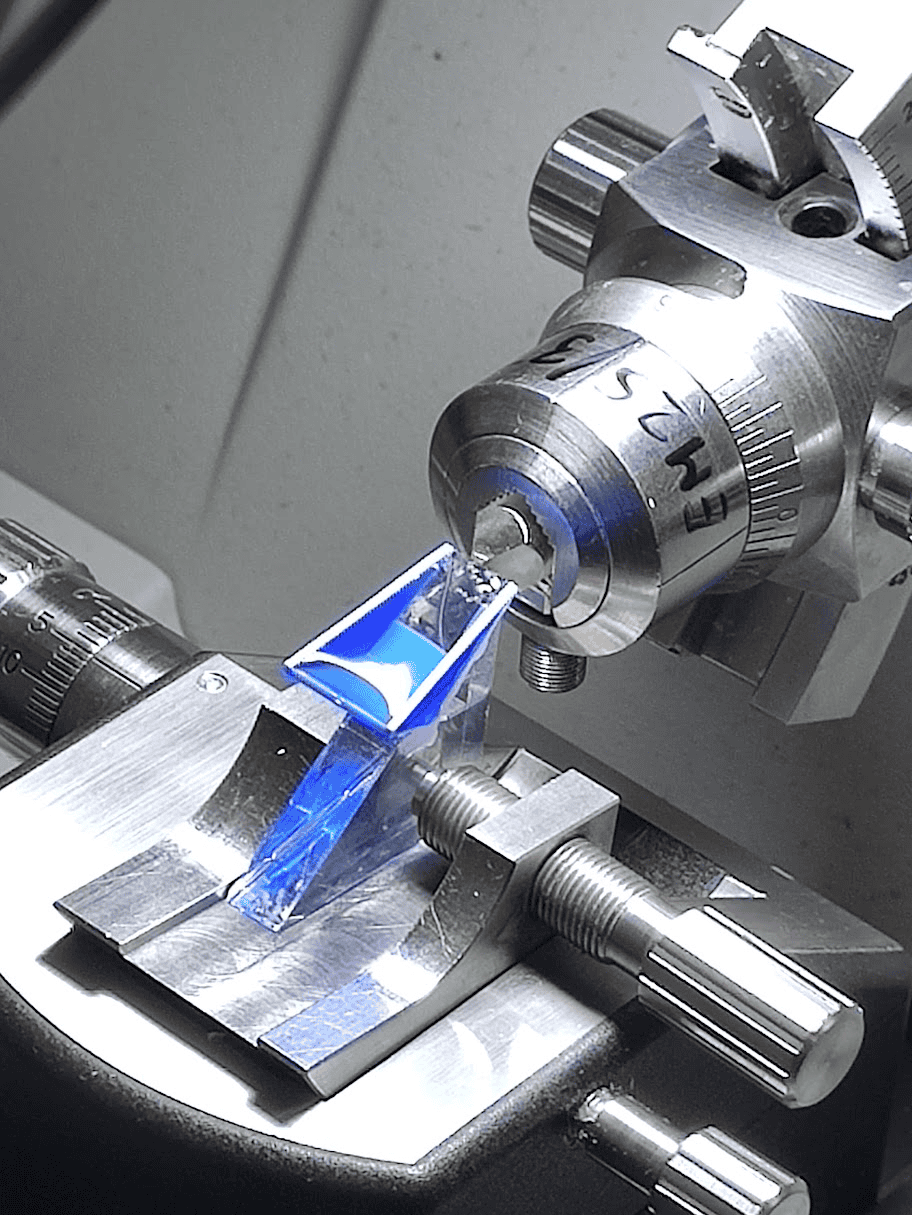
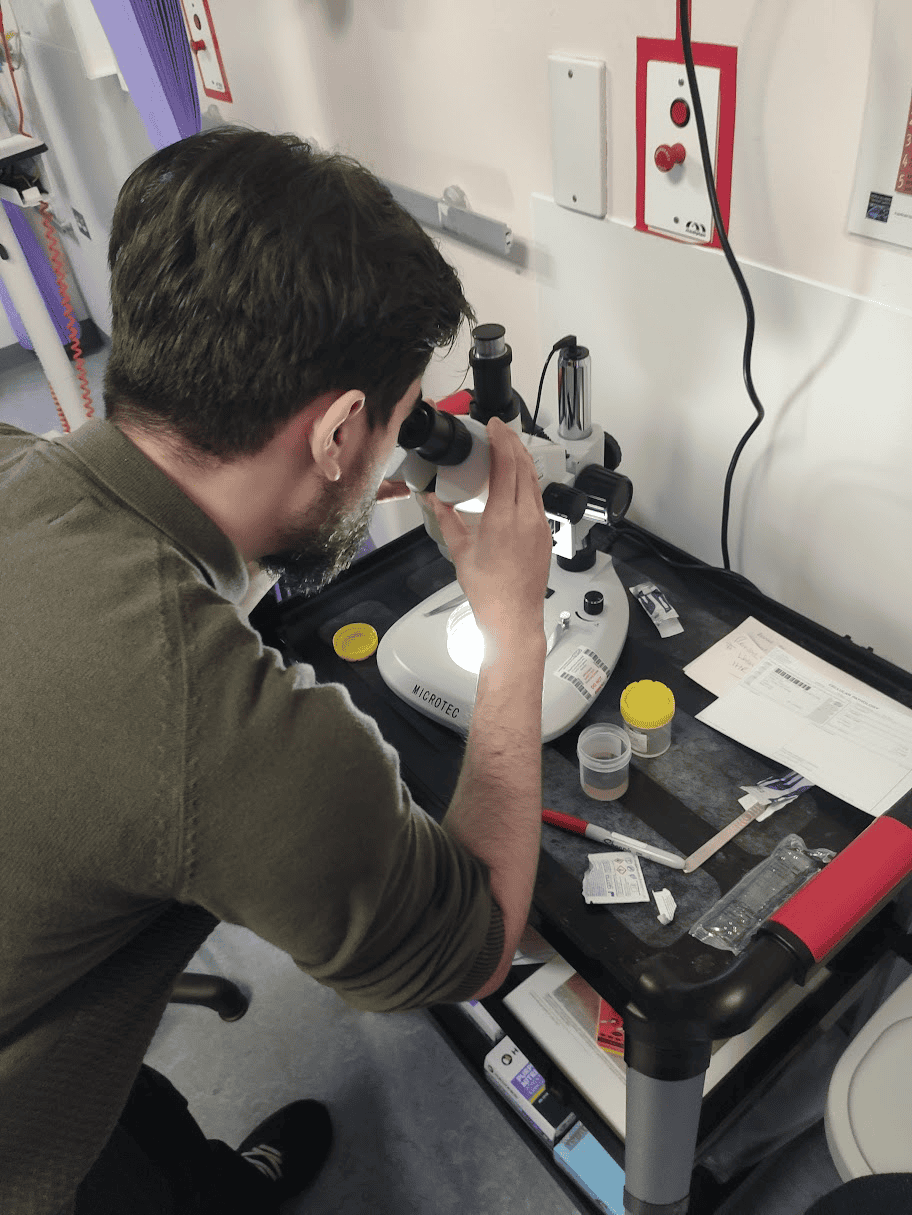
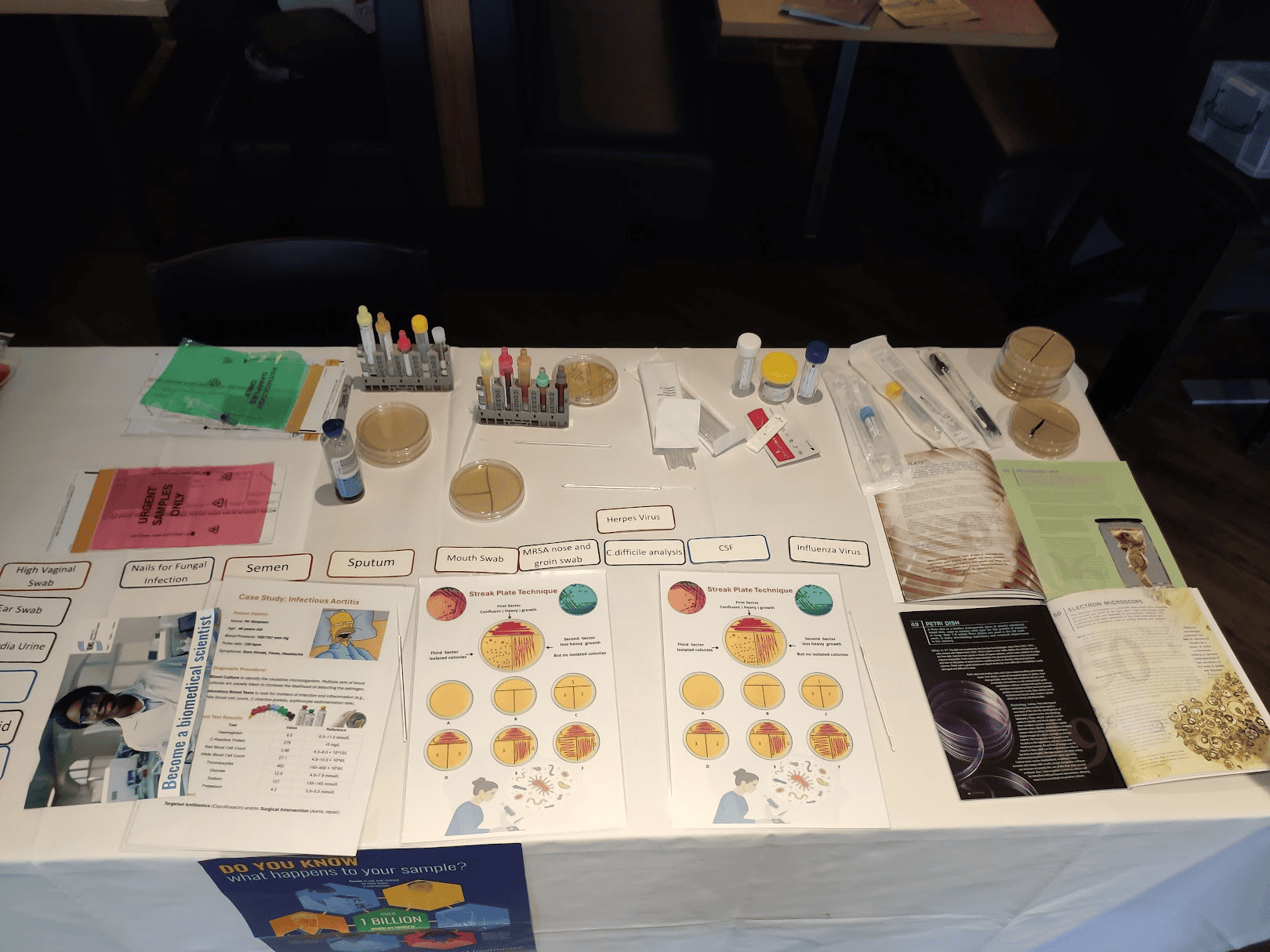
I have worked in NHS laboratory settings as a HCPC registered biomedical scientist, where I was involved in analysing patient samples and supporting diagnosis. This taught me how science operates behind the scenes in healthcare, and how important accuracy, teamwork, and attention to detail are when people’s health is involved.
Alongside this, I became involved in research projects, including cancer research and public health research. I worked on studies that explored new diagnostic techniques, biomarkers, and ways to improve healthcare outcomes. Through research, I learned how evidence is generated, how studies are designed, and how data is used to influence real-world decisions.
At the same time, I took on teaching and training roles, delivering science and health education to students at different levels. Teaching helped me realise how much I enjoy explaining complex ideas in simple ways and supporting others to build confidence in science. It also strengthened my communication skills and patience.
I have also worked on community and leadership projects, including coordinating events and workshops with diverse groups. These experiences helped me understand the wider social side of science and healthcare, that improving health isn’t just about data or labs, but about people, trust, and access.
Every role I’ve had contributed something useful, even when it didn’t seem directly connected at the time. Together, they shaped my skills in organisation, communication, teamwork, and problem-solving.
-
Current Job:
A myriad of roles! I currently work in the NHS for the Bowel Cancer Screening Programme. Alongside this I work as a Biomedical Scientist at NHS hospitals. At least twice a week, I’m teaching and training students, medics, and allied health professionals across colleges/universities/hospitals.
-
Employer:
Blackpool Hospital, East Lancs Hospital Trust, Lancashire Teaching Hospitals Trust, Burnley College University
-
My Interview
-
How would you describe yourself in 3 words?
Health-focused educator, Curious healthcare scientist, Community-minded
What did you want to be after you left school?
I wasn’t completely sure in the beginning. I knew I liked science and helping people, but I didn’t have one clear job in mind. I explored different ideas before realising I wanted to work in healthcare and science, where I could make a real difference to people’s lives.
Were you ever in trouble at school?
Nothing serious but I did get told off for talking too much in class! I liked asking questions and discussing ideas or the best premier league football team, which sometimes got me into trouble, but it’s also something that really helped me now in my professional career. Practice makes perfect.
If you weren't doing this job, what would you choose instead?
I’d probably work in an infrastructure consulting role. I really enjoy explaining things, supporting others, and working with people from different backgrounds to achieve big dreams.
Who is your favourite singer or band?
Don't have one!
What's your favourite food?
Anything new and different
If you had 3 wishes for yourself what would they be? - be honest!
To keep developing, learning and growing without being afraid of change. To make a real, positive impact on people’s health and lives. To always stay curious and grounded, no matter where my career goes.
Tell us a joke.
What do you call a deer with no eyes? No idea
-