



Profile
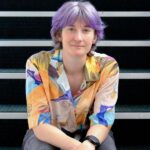
Rebecca Boulton
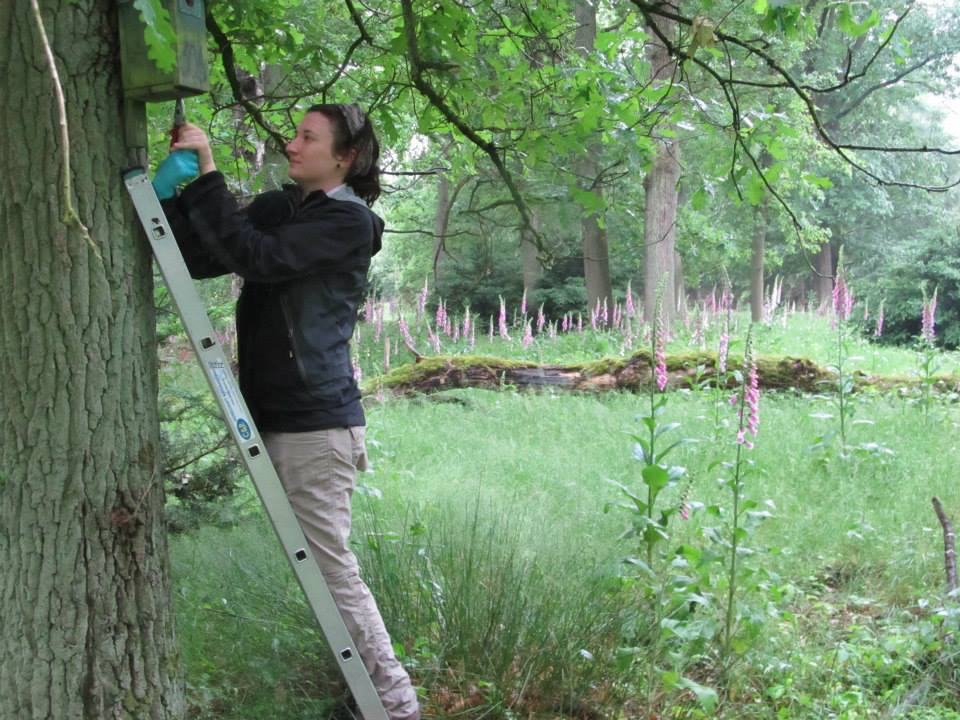
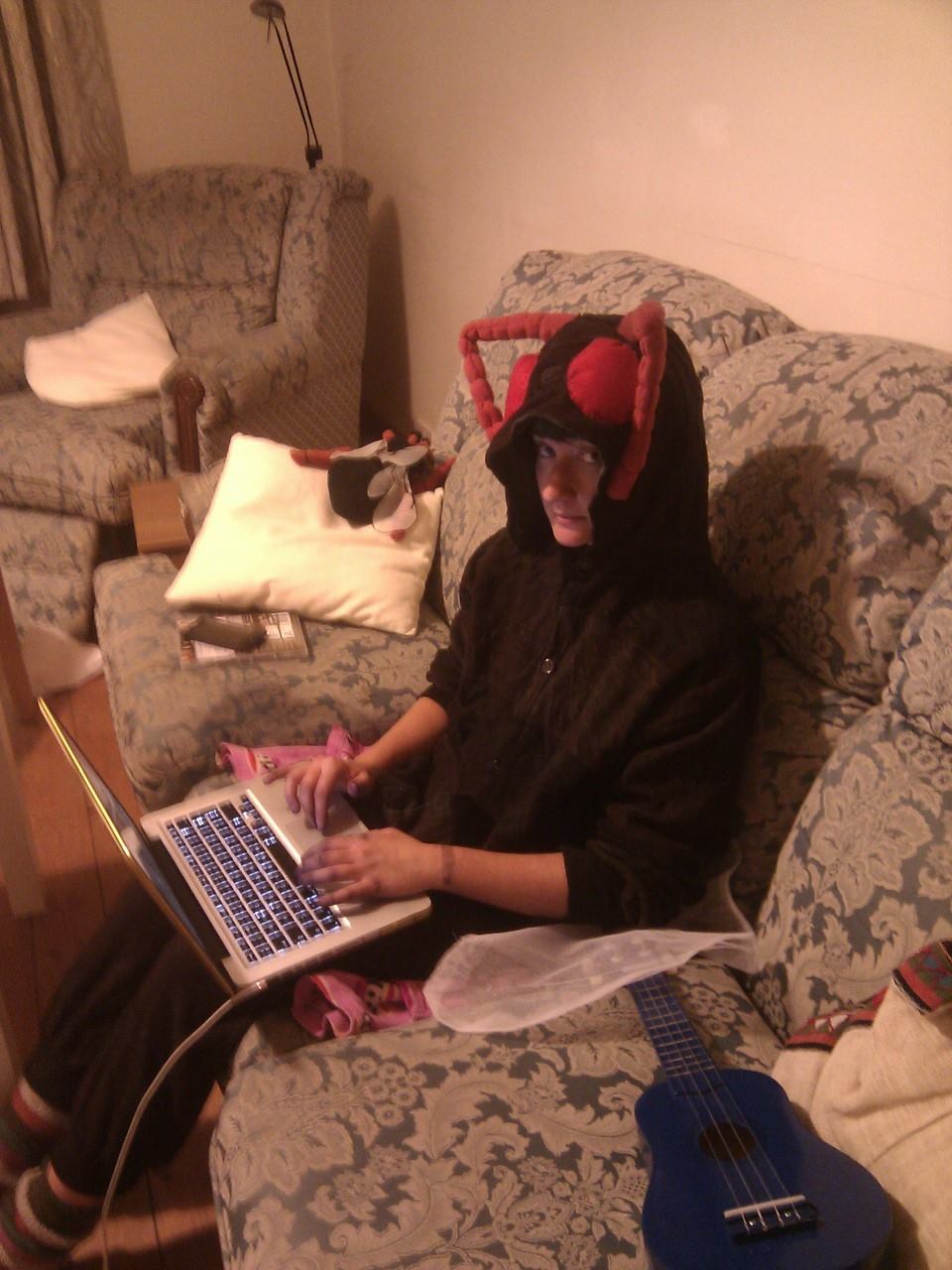
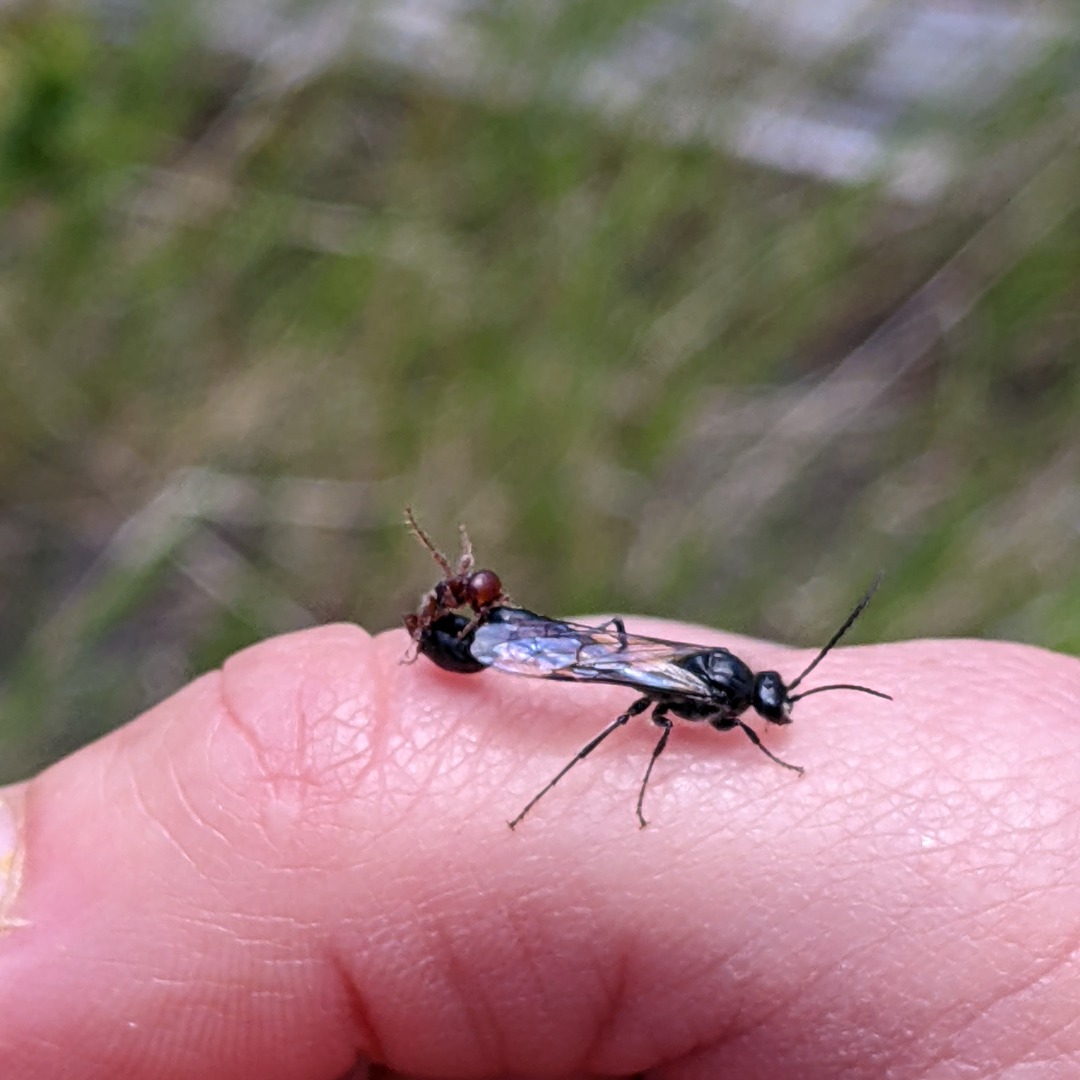
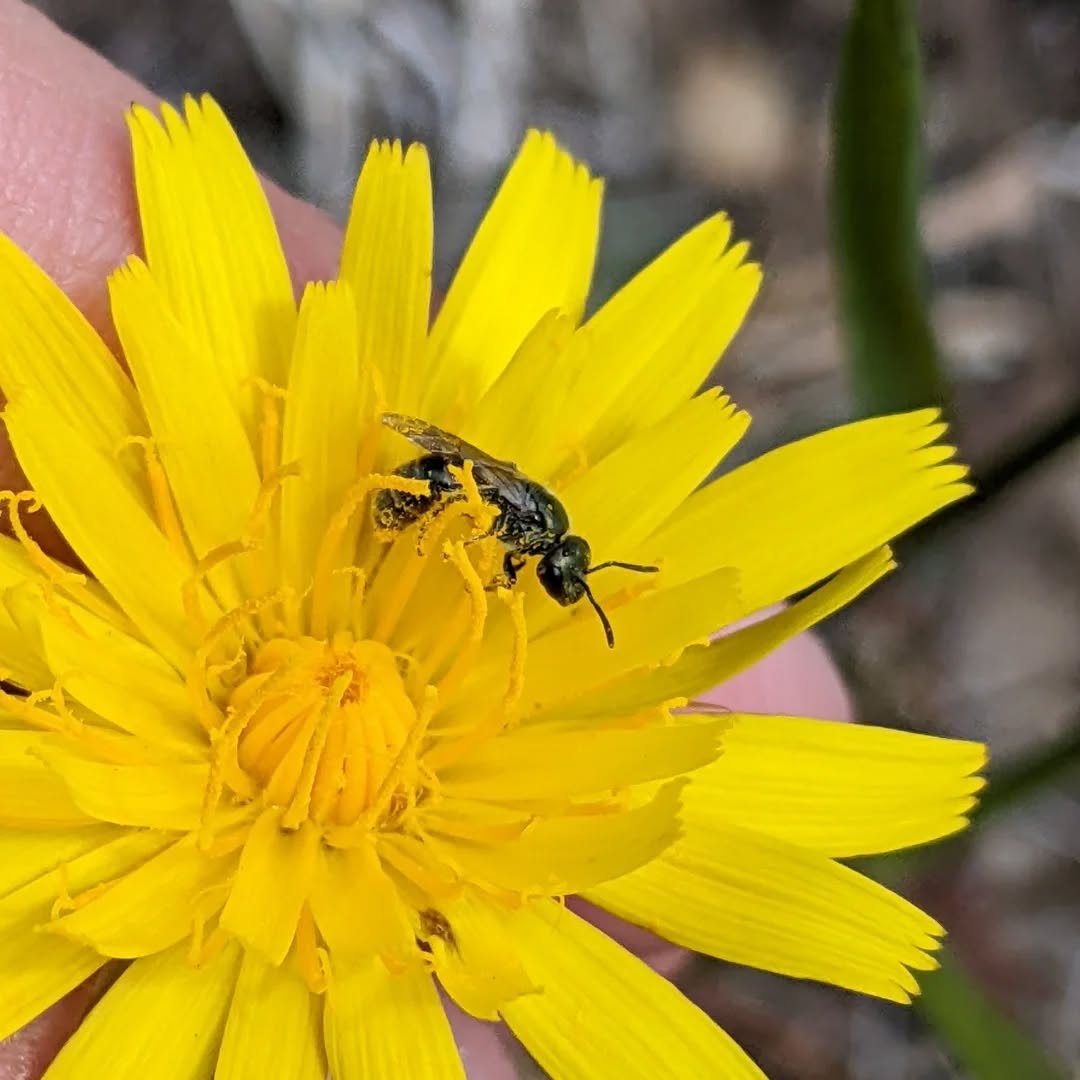
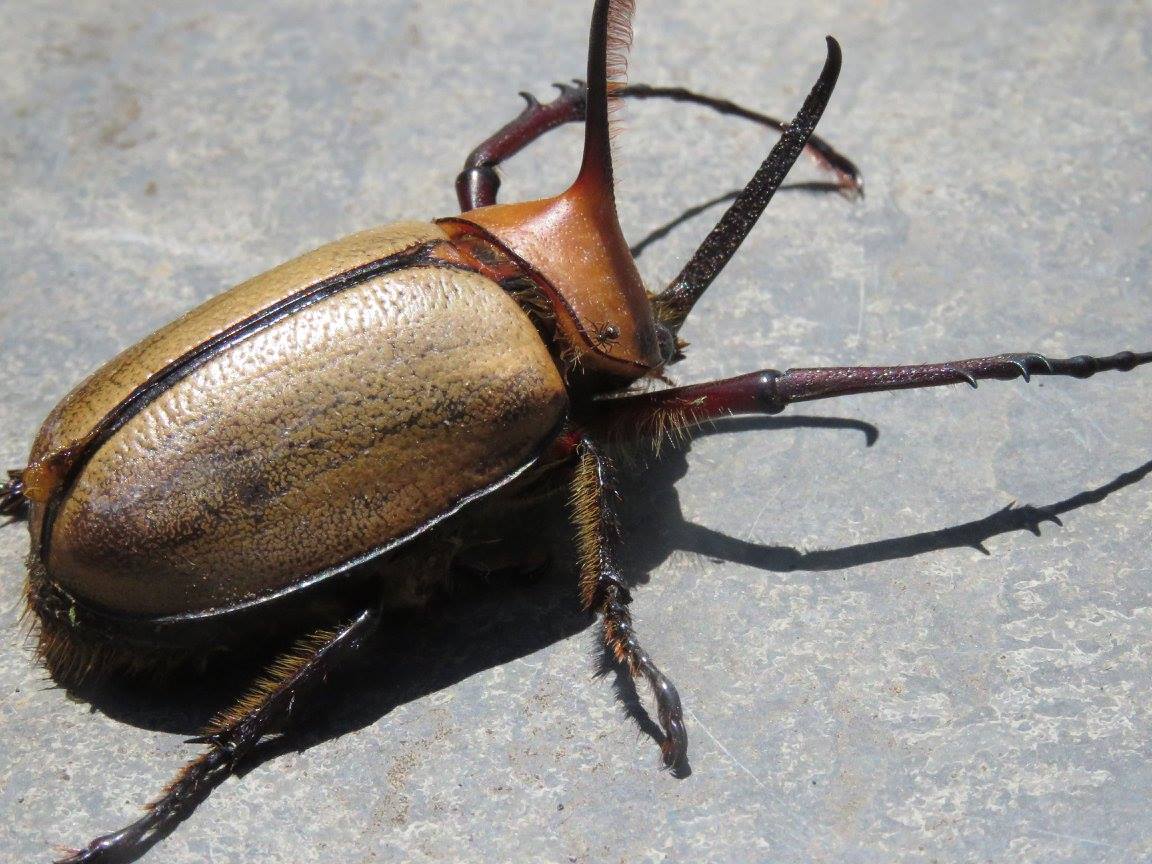
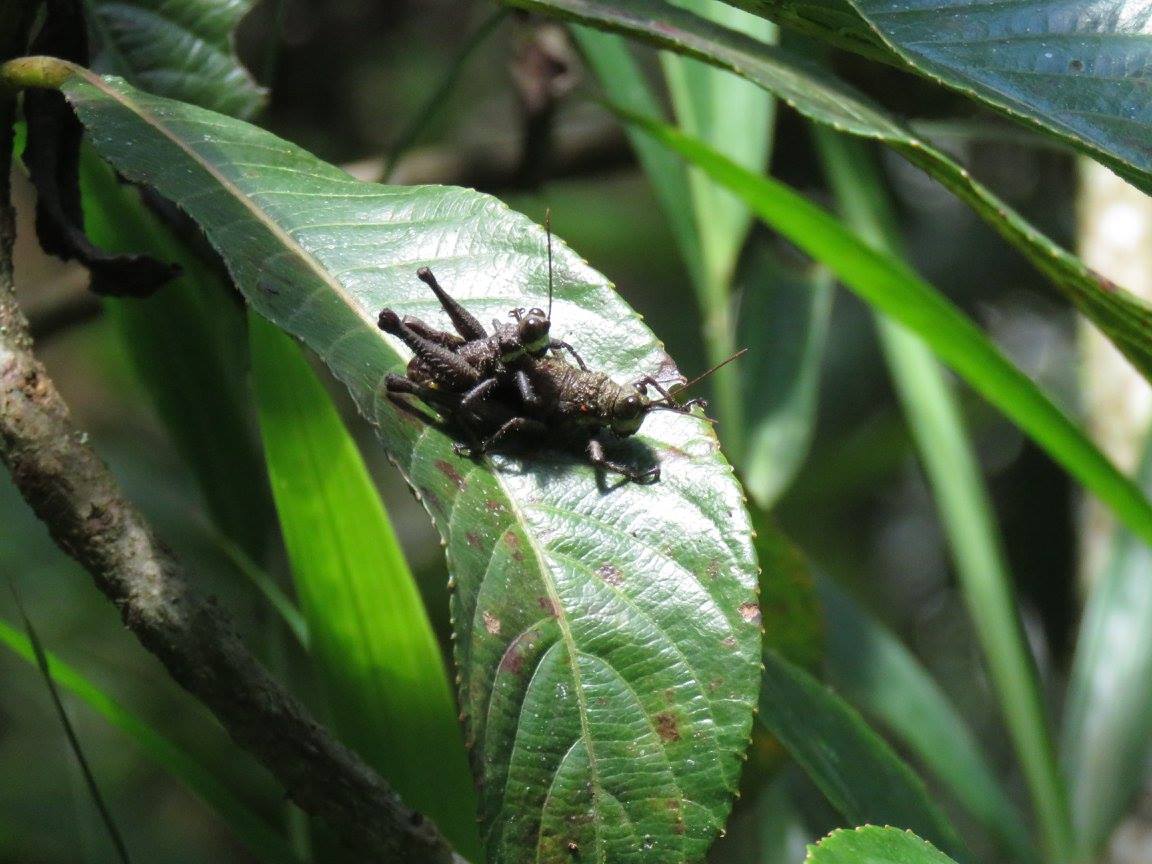
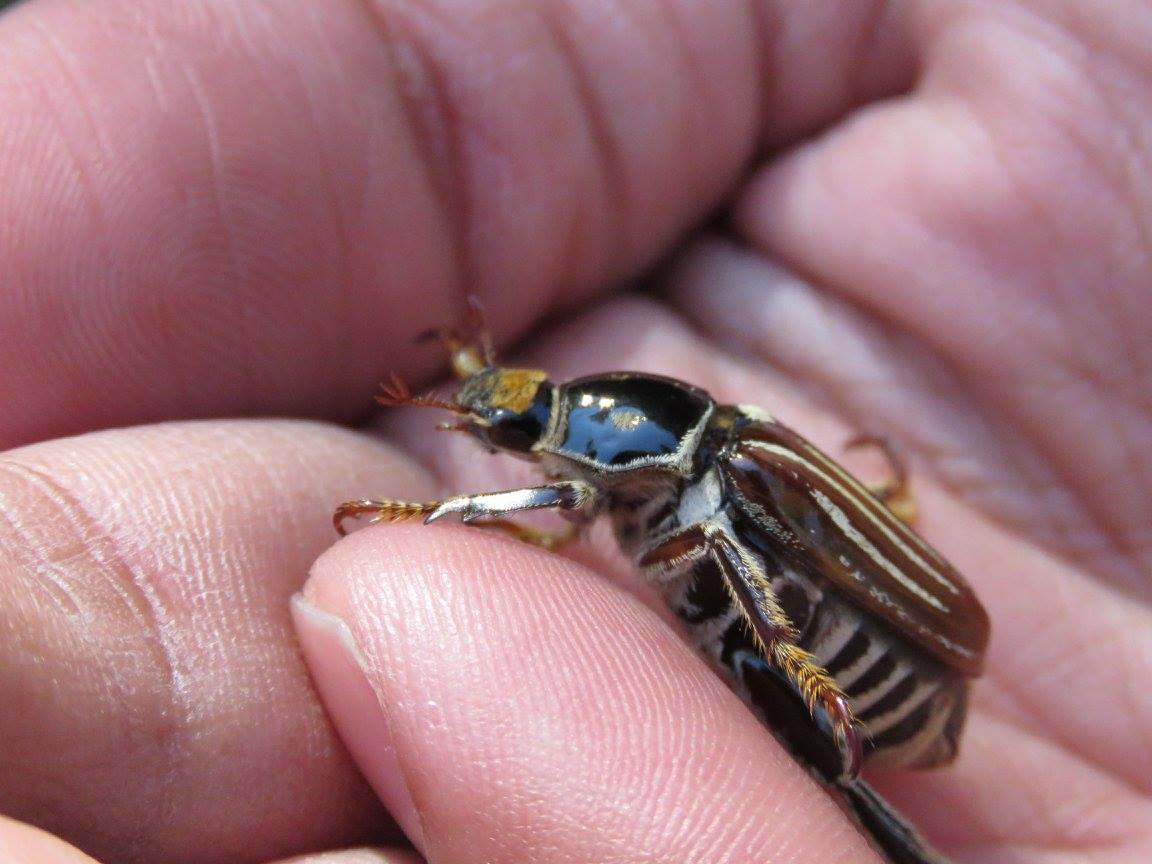
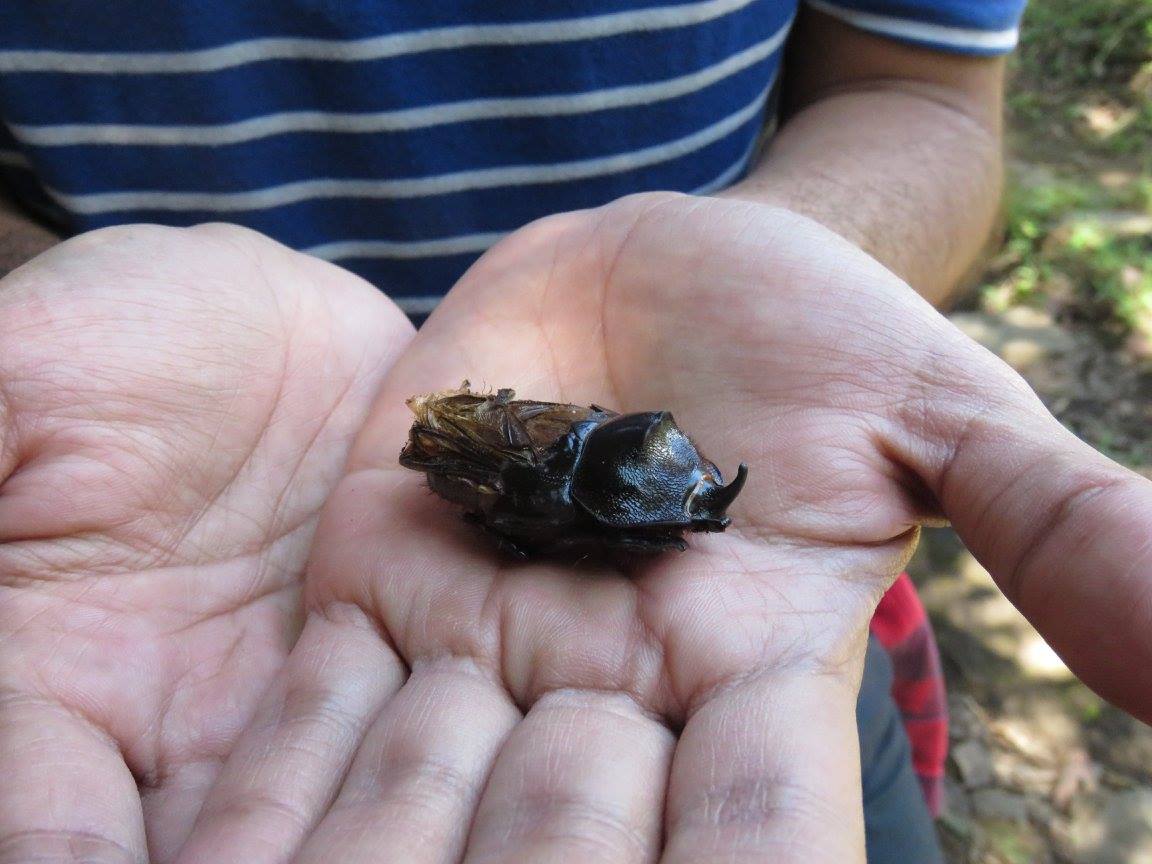
-
About Me:
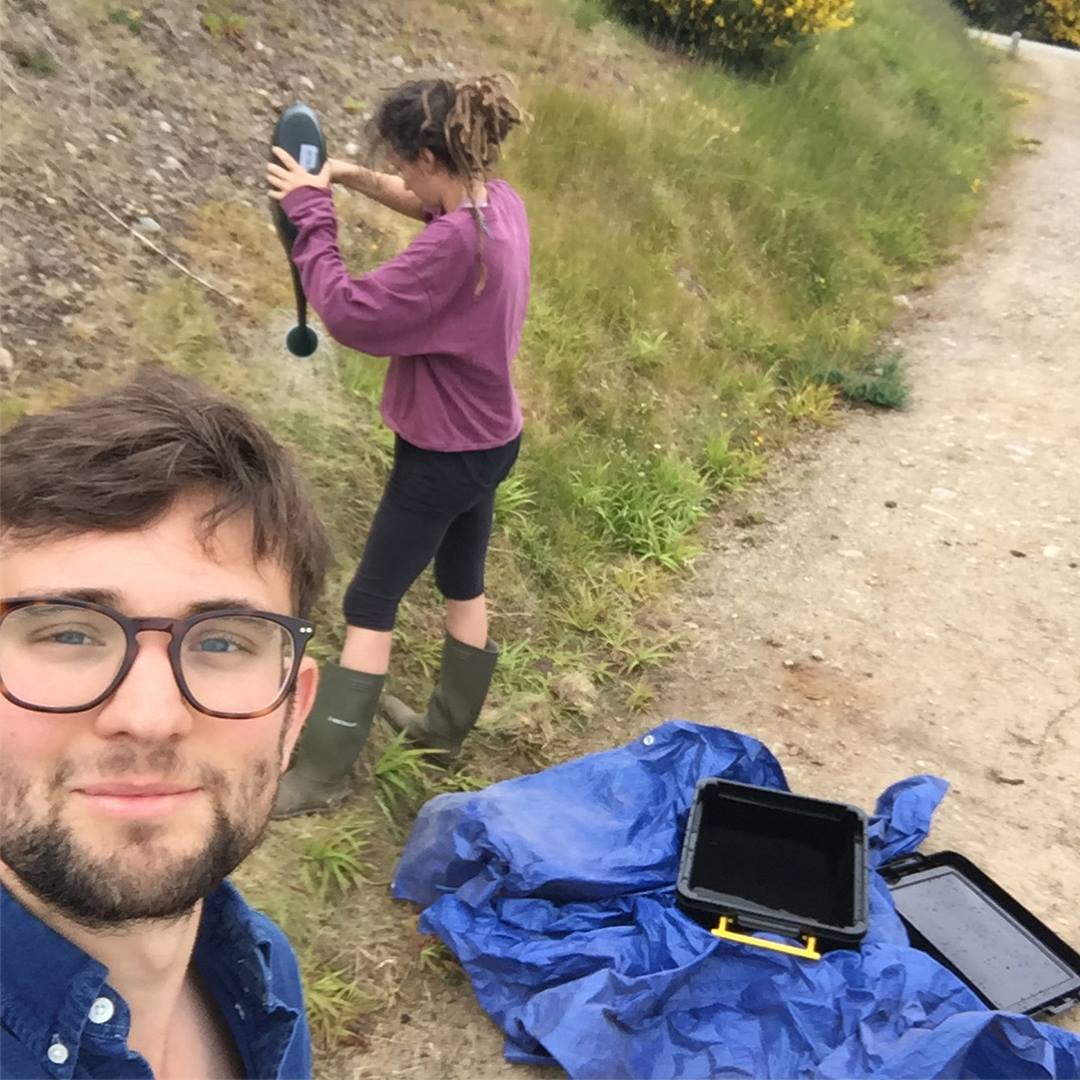
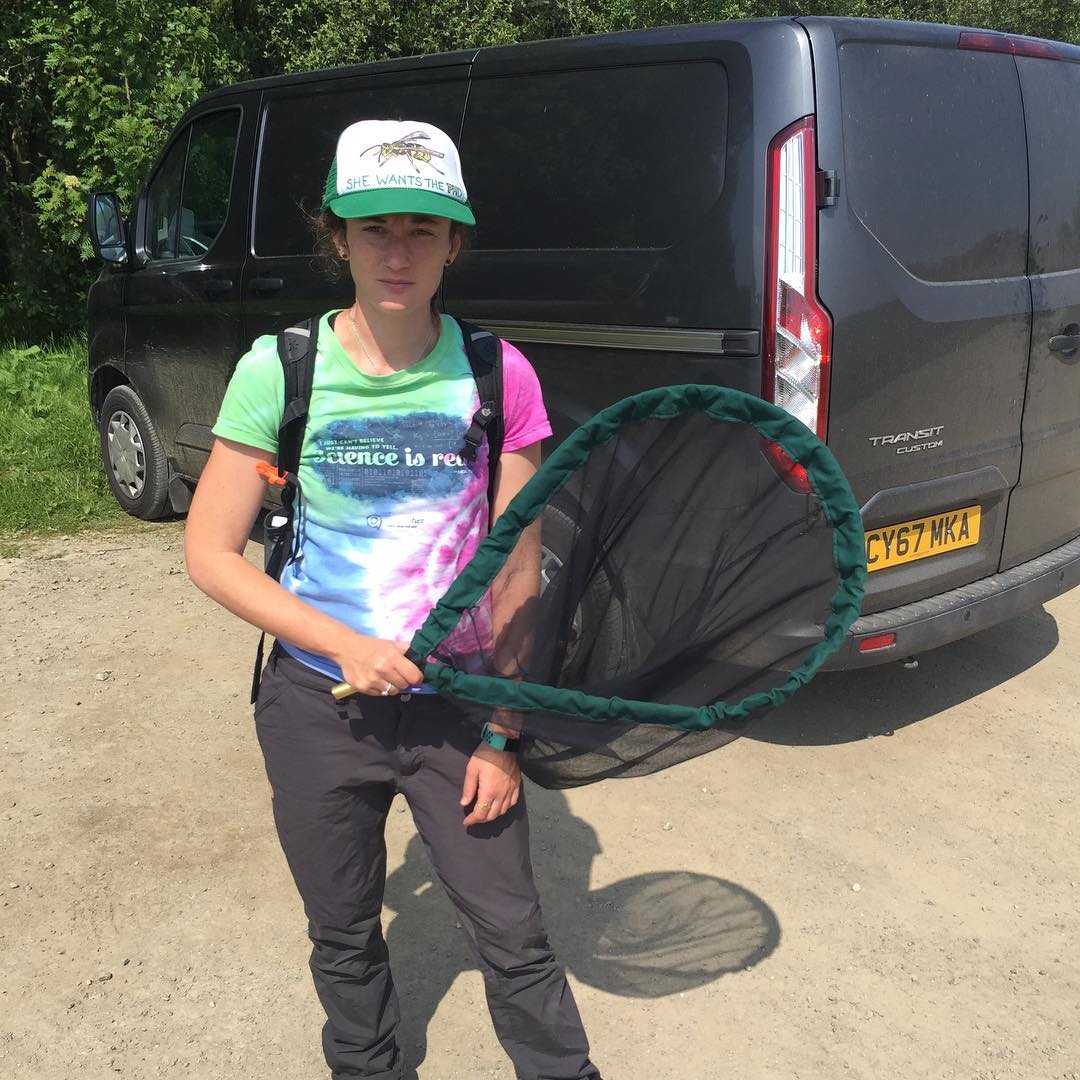
I live in Scotland with my dog Panda. I am a lecturer in evolutionary ecology at the University of Stirling. I love being outdoors on my bike or walking and running. I play ultimate frisbee sometimes
-
Read more
I love music and art, I sometimes do standup comedy about my research and write songs about insects, which I sometimes sing with Greg James on the BBC radio 1 breakfast show!
-
My pronouns are:
she/her
-
How I use Science in my work:
I study how insects have evolved and how they have adapted to their environment. I am especially interested in how insects have evolved to perform important tasks like pollination and pest control.
-
My Work:
I am an evolutionary ecologist and I study how and why insects have evolved.
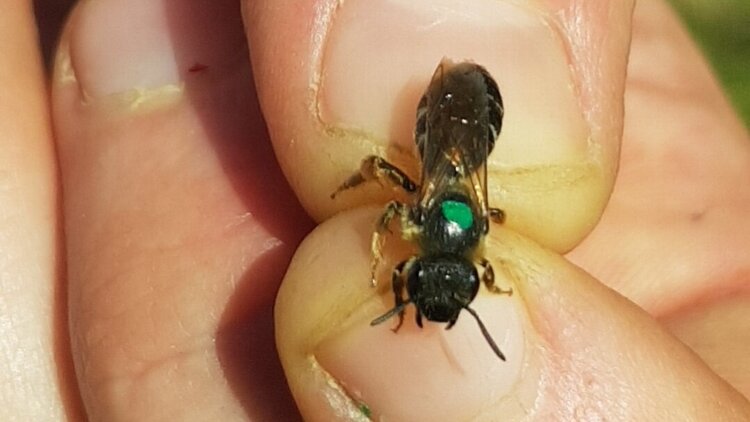
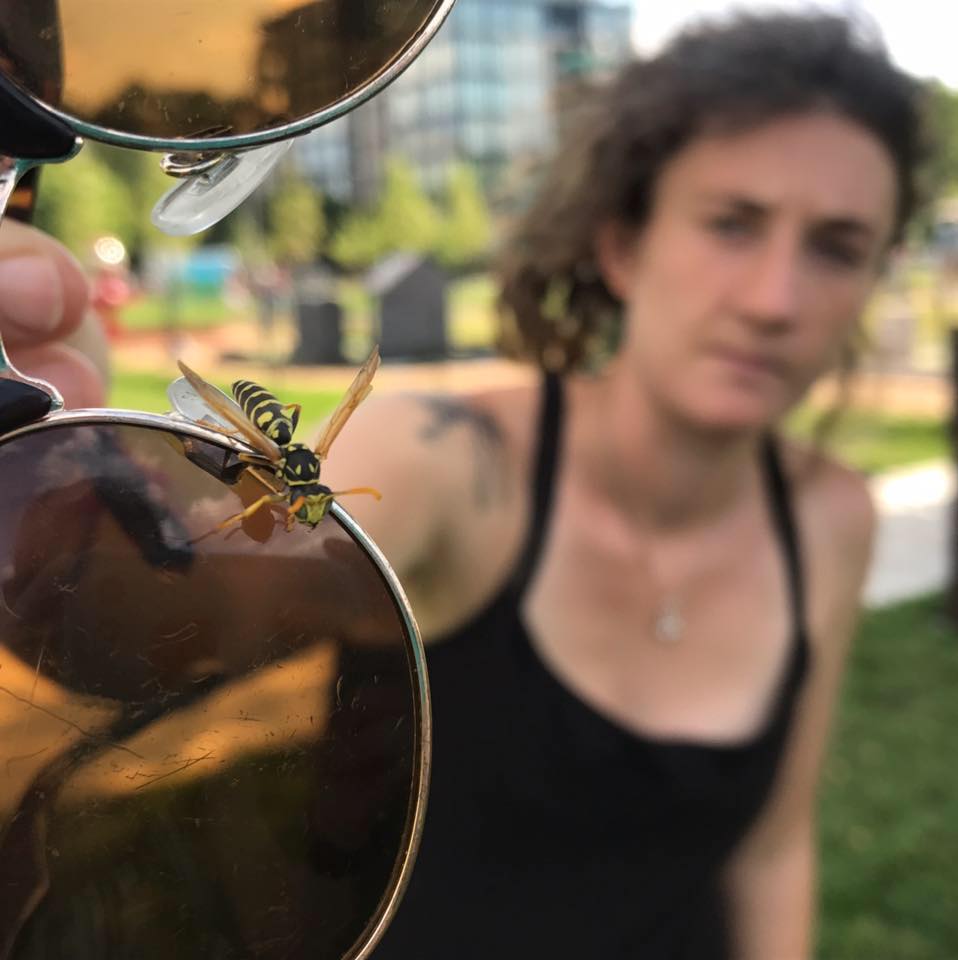
I am particularly interested in bees and wasps which help humans with important jobs like pollinating our crops and eating pests.
-
Read more
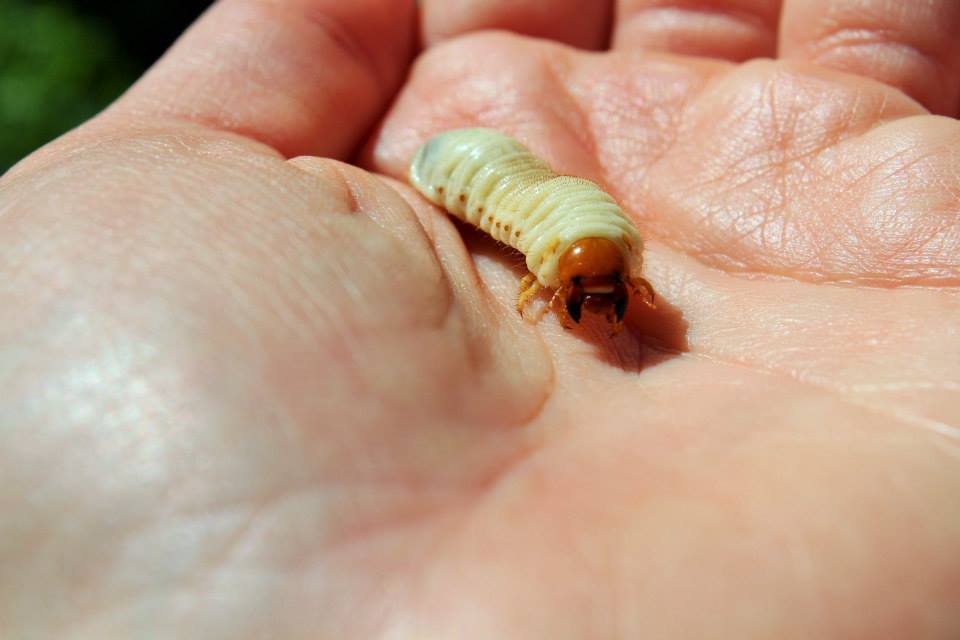
Some of my favourite insects are called ‘parasitoids’ – they lay their eggs inside other insects and the parasitoid larva eats the insect from the inside out. Gross but really cool!
I am also interested in how insects that get attacked by parasitoids evolve to resist their enemies – sometimes they use bacteria to help them! The bacteria live inside the insect and if it gets attacked by a parasitoid the bacteria are toxic to the parasitoid but not the insect they live inside!
-
My Typical Day:
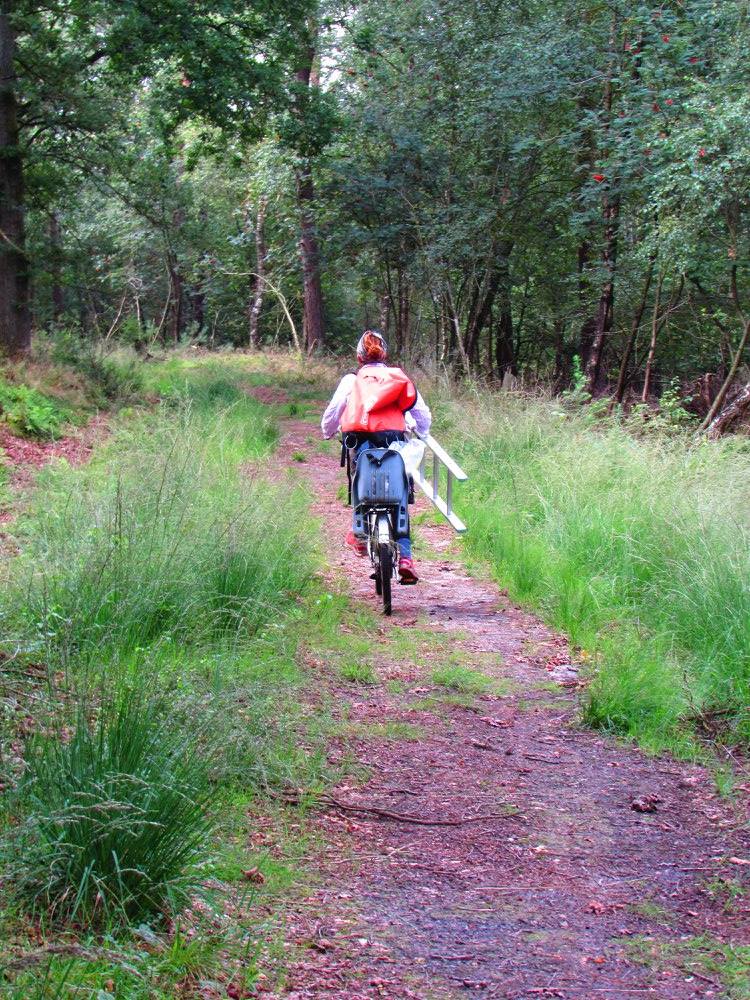
A typical work day involves cycling to the lab and checking on all the insects. I need to work out if any of the bugs need any more food, or if the plants they live on need watering. If they do I will transfer them into a new house and give them fresh food and water. Then I might plant some more broad beans (which my insects love) for when the new bugs come out in a couple of weeks time.
Then I do the washing up – insects can make a lot of mess, so I have a lot of pots to wash!
Sometimes I have a run around the campus at lunch time if the weather is nice, then have lunch in the coffee room with colleagues.
After lunch I go to my office and either work on some data analysis, writing or work on my lectures, or maybe have meetings with students who are doing some research in the lab – every day is different!
Then I go home at about 5pm to give my dog Panda his dinner.
-
What I'd do with the prize money:
I would use the prize money for my podcast ‘Darwin would probably hate this’ which I do with my best friend who is a radio broadcaster. We talk about evolution in terms that are accessible for everyone. £500 would mean we could buy a better mic and improve the sound quality, and would help us pay for travel for when we have guests on the podcast to talk about their work!
-
Education:
I grew up in Sheffield, where I went to Clifford Primary School and then Hunters Bar School. I always loved animals and being outdoors. When my family moved to the Isles of Scilly, I went to Five Islands School for secondary school. Living on a tiny island meant I spent loads of time exploring beaches and rock pools, which made me even more curious about wildlife.
For sixth form, I had to move to the mainland on my own, and I studied at Thomas Adams School in Wem. This was where I realised I wanted to study animals for real.
I first went to Bangor University to do Marine Zoology, because I thought I wanted to work with sea animals. But I discovered it wasn’t the right fit for me, so I changed course and moved to the University of Chester, where I studied Animal Behaviour — and loved it. This helped me learn how scientists watch and understand how animals live their lives.
Next, I did a Master’s degree in Primate Behaviour at Roehampton University in London. I learned lots about monkeys and apes, but I also realised something surprising… insects are even cooler, and much easier to study close to home!
So I went to St Andrews University in Scotland to do a PhD on parasitoid wasps. I loved— doing experiments, asking lots of questions, and discovering things no one knew before.
-
Qualifications:
When I was at school, I did 10 GCSEs. After that, I took 4 AS levels and then carried on with 3 A levels for sixth form.
At university, I first earned a BSc degree in Animal Behaviour, which means I learned how and why animals do the things they do. Then I studied for an MRes (Master’s) in Primate Behaviour, where I learned about monkeys and apes and how scientists study them.
Finally, I did a PhD in Biology, which is a big research project that took several years. For my PhD, I studied tiny insects called parasitoid wasps and discovered new things about how they live and reproduce.
-
Work History:
a {
text-decoration: none;
color: #464feb;
}
tr th, tr td {
border: 1px solid #e6e6e6;
}
tr th {
background-color: #f5f5f5;
}When I was younger, I didn’t start out in science at all. All through my teens and into my mid‑20s, I worked in bars, pubs, and hotels to help pay for school and university. I poured drinks, cleaned tables, checked people in, and learned how to stay calm even when everything was busy and noisy. I didn’t know it at the time, but these jobs taught me skills that scientists really need too — talking to people, working as part of a team, and keeping going even when things get stressful.
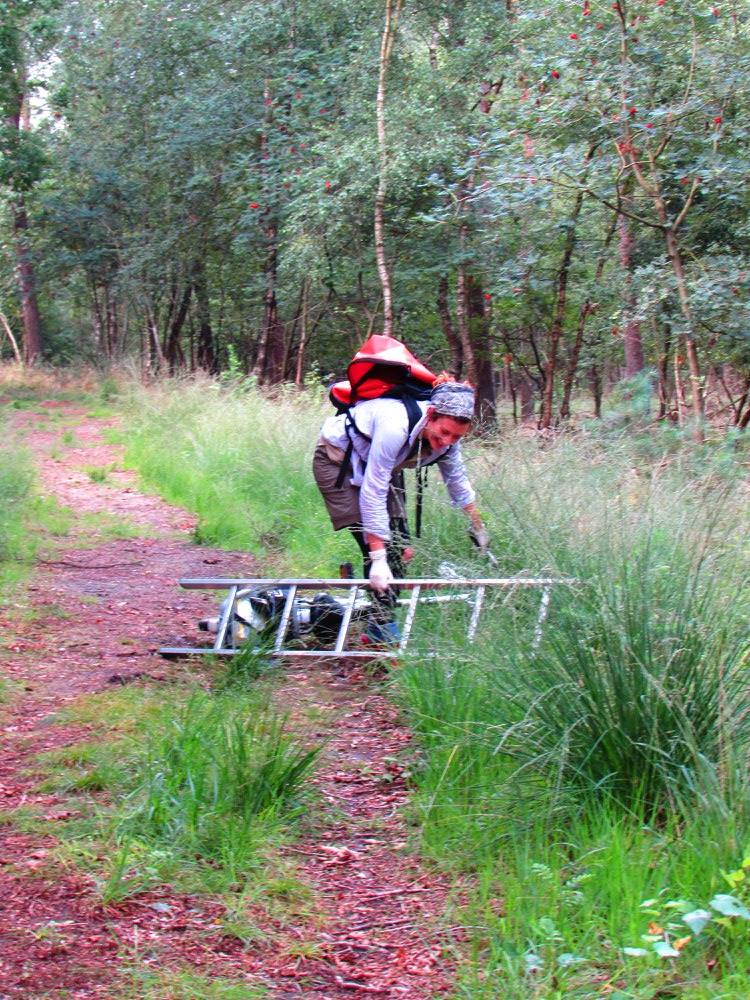
After my PhD, I finally stepped properly into the world of science. My first big adventure took me all the way to the University of Minnesota in the USA, where I studied tiny insects called parasitoid wasps. These wasps lay their eggs inside other insects, and scientists can sometimes use them to help control pests. I worked with a species called Conura annulifera, which might help protect birds in the Galápagos Islands from a harmful fly. I learned how to carefully rear insects in the lab, how to work outdoors studying them in the wild, and how to test whether a wasp is safe to use in nature. It was exciting, important work, and it made me realise how much I enjoyed studying insects.
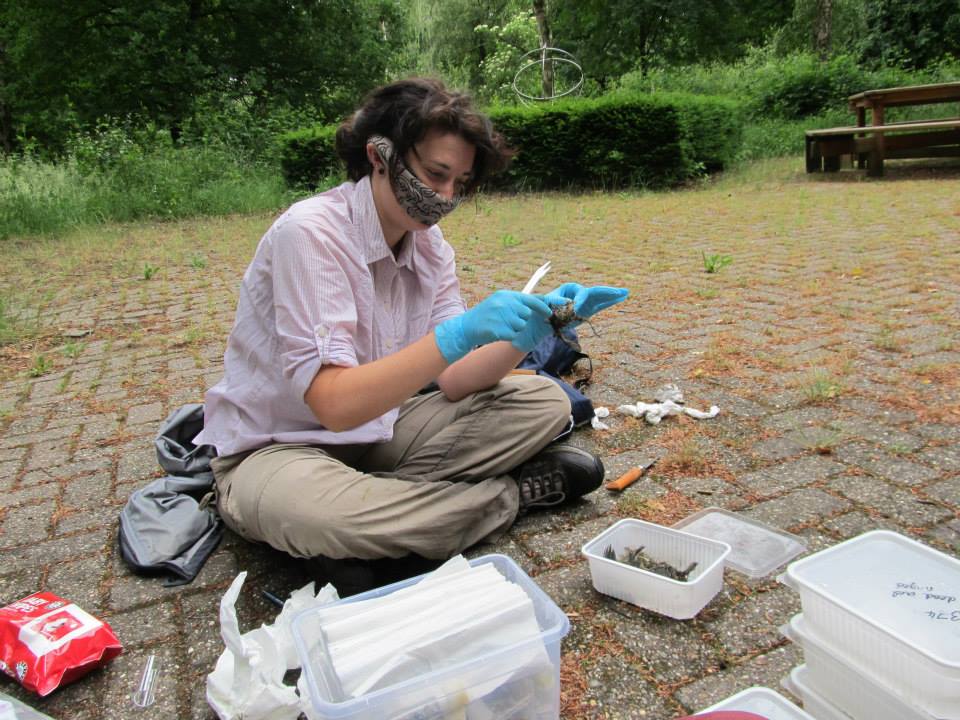
Next, I moved back to the UK to work at the University of Exeter. Here I continued studying insects like bees and wasps, but this time I focused more on how they behave — how they sense their environment, how they make decisions, and how parents care for their young. I used microscopes to look closely at tiny body parts, ran experiments in the lab, and spent a lot of time outdoors watching insects go about their lives. I loved trying to understand their world from their point of view.
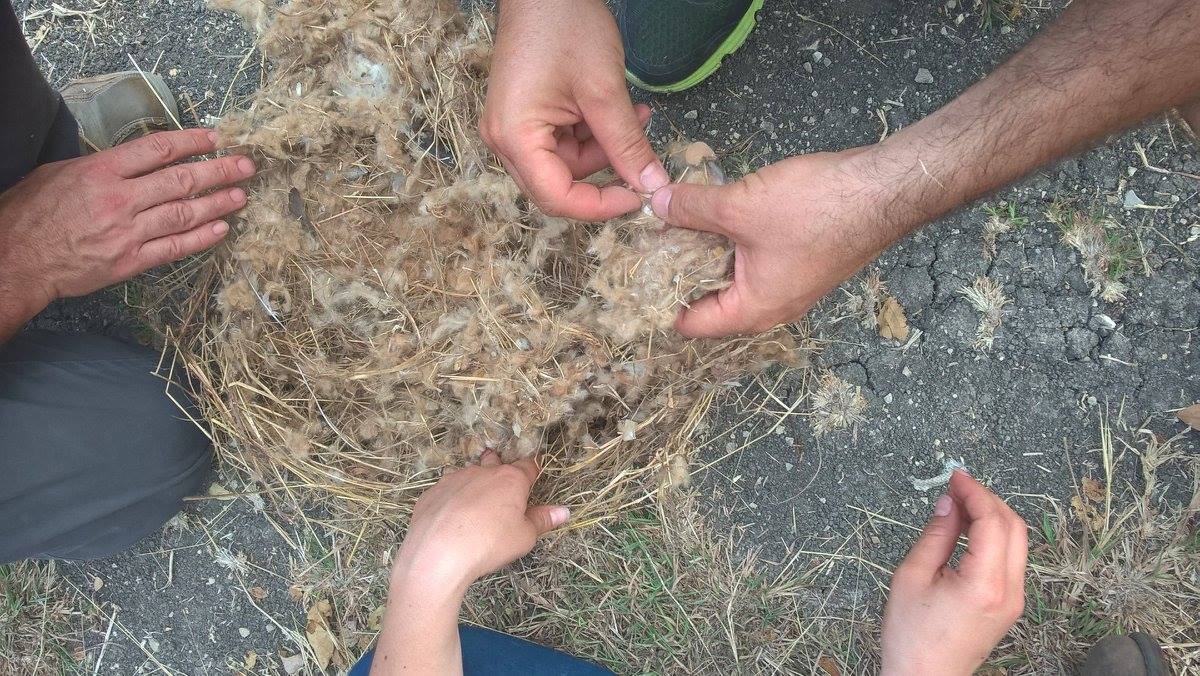
After that, I travelled again — this time to the Netherlands, to work at Wageningen University & Research. My job here was to learn new DNA techniques so I could explore insect families in a different way. I created simple, low‑cost methods for figuring out who is related to whom, and even discovered “hidden sex” in an insect species people thought didn’t need males at all. It felt like solving tiny mysteries using clues written inside their DNA.
Finally, I returned to Scotland and joined the University of Stirling for a fellowship that let me study how female insects choose their mates, and how those choices shape evolution.
Now, I’m a Lecturer in Evolutionary Ecology and still in Stirling. I teach students about insects and evolution, run experiments, and keep discovering new things about how animals live and change. I also spend a lot of time sharing science with the public — doing funny science shows, making games for festivals, and writing silly songs about insects — because I want everyone to be able to join in and feel excited about the natural world.
-
Current Job:
I am a lecturer in evolutionary ecology. That means alongside my research on insects I teach undergraduate students about topics like evolution, animal behaviour and conservation. I also supervise students who are doing their own projects and teach them how to be researchers and scientists
-
Employer:
I work for the University of Stirling, in Scotland. My favourite thing about where I work is the beautiful campus, which overlooks a loch and you can see the mountains from my office.
-
My Interview
-
What did you want to be after you left school?
I had a year out and worked in a hotel and a pub, then I went to uni at Chester to study Animal Behaviour
Were you ever in trouble at school?
Not very much, but sometimes. I sometimes got told off for daydreaming, staring out the window and singing to myself. I was easily distracted!
If you weren't doing this job, what would you choose instead?
I would probably try and make it as a stand up comedian
Who is your favourite singer or band?
Good question, there are so many! I've been listening to a lot of Taylor Swift lately though
What's your favourite food?
I love South American food, Columbian/Venezuelan Arepas are a favourite at the moment!
If you had 3 wishes for yourself what would they be? - be honest!
(1) that my dog will live until he is very old and never get arthritis (2) That I get some research funding to go and find wasps all over the UK and Europe! (3) That me and Kat get our podcast off the ground and loads of people listen to it!
Tell us a joke.
Scientists have just discovered a fossilised dinosaur fart. They say it's a blast from the past!
-