


Profile
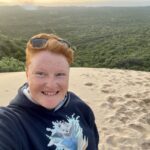
Michelle Taylor
-
About Me:
I am a marine biologist who absolutely LOVES the ocean and being outdoors 🌊. In my free time I enjoy diving, travelling and exploring nature, and walking my pup in the Scottish countryside.
-
Read more
I live in Aberdeenshire with my Caribbean “pothound” (street dog) named Finn 🐶, who I adopted ten years ago while I was living abroad.
I am a marine biologist who completed my Ph.D. last year studying coral rubble (the dead pieces of coral that form into mounds after damage) with fieldwork in the Turks and Caicos Islands in the Caribbean.
I’ve always loved the ocean 🌊 and spending time outdoors🌲. Growing up, I was curious about animals 🐘 🐞 🐡and nature 🌸🌳, which led me to study marine biology. Today, I spend a lot of time travelling and working in tropical locations, where I get to dive and explore coral reefs.
Outside of work, I enjoy scuba diving, snorkeling, and exploring new places. I like photography (and I’m slowly being converted into a bird watcher 🐦 through this!), being on boats, and learning about wildlife both above and below the water. If there is water nearby, you’ll find me in it or on it 🤣!
I love sharing what I learn about the ocean and helping others understand why marine ecosystems are important and worth protecting.
-
My pronouns are:
She/her
-
How I use Science in my work:
I use science to understand how coral reefs work (even after the coral has died) and how they change over time. I collect samples in the ocean and use biology, chemistry, geography, maths, and computers to study DNA, analyse data, and map reef habitats.
-
My Work:
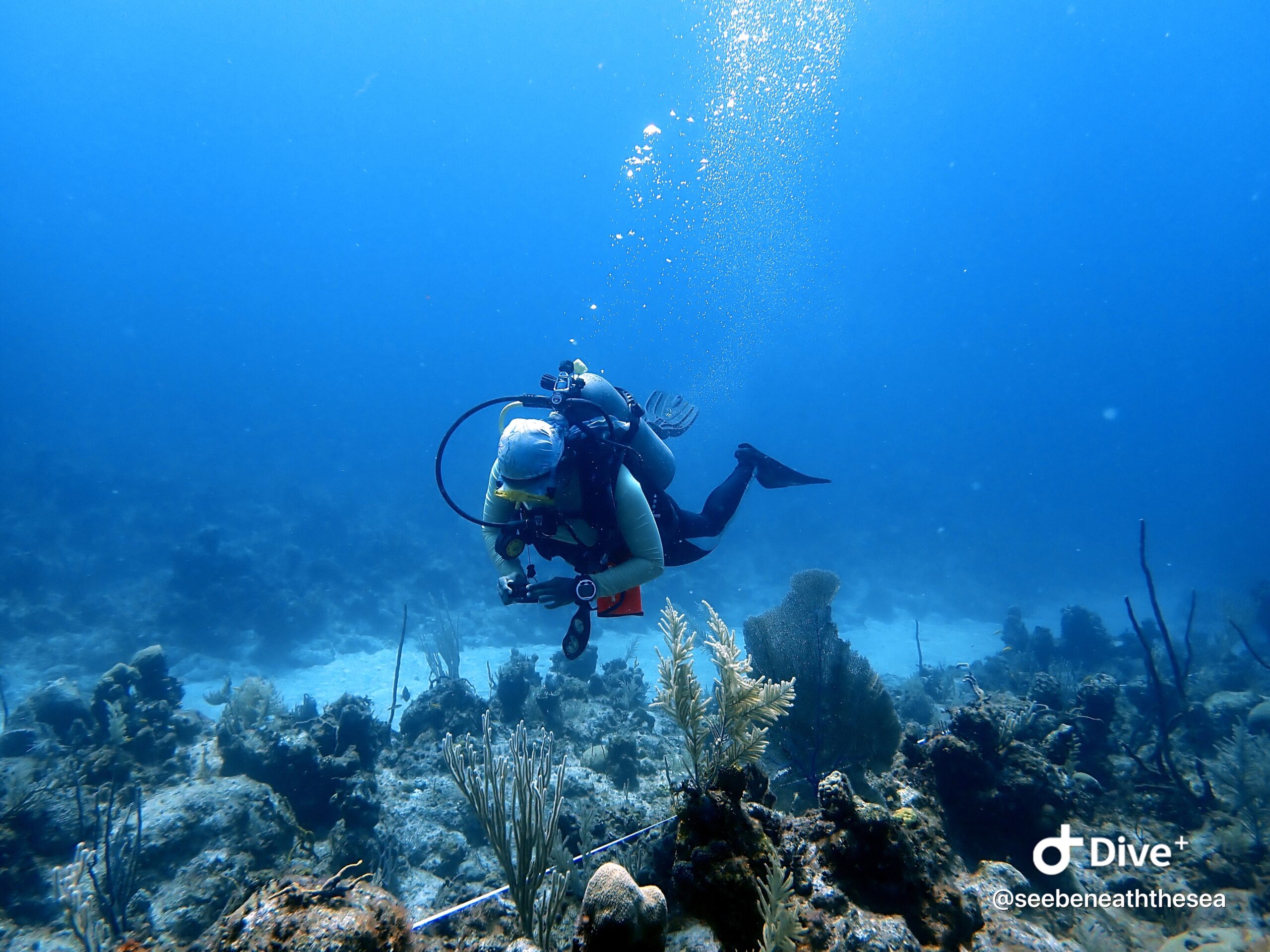
I am a marine biologist who studies coral reefs in the Caribbean. I SCUBA dive to collect samples and use lab science and data analysis to understand how reefs are changing.
-
Read more
I am a marine biologist who studies coral reefs. My work helps us understand how coral reefs change over time and how we can protect them.
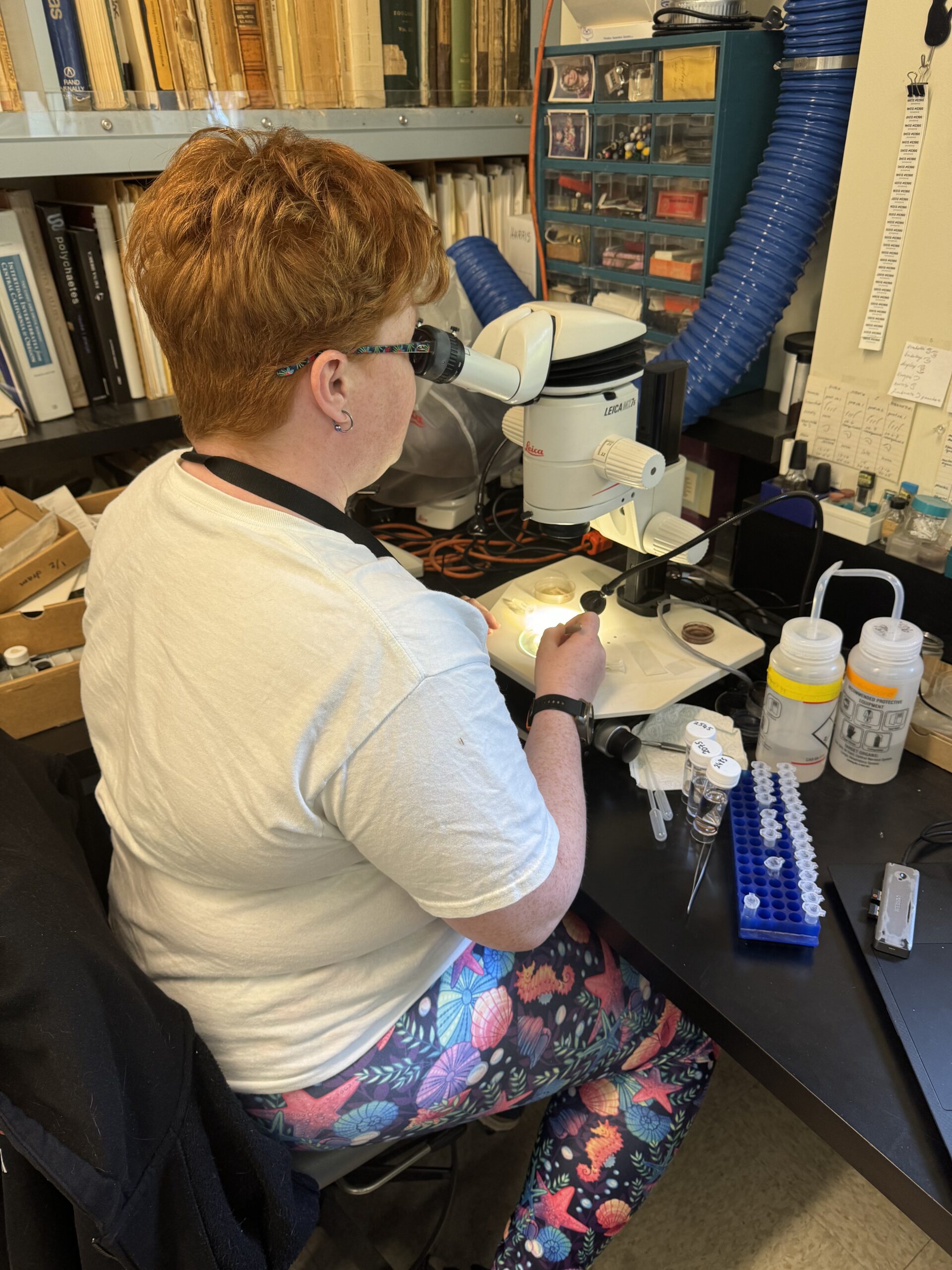
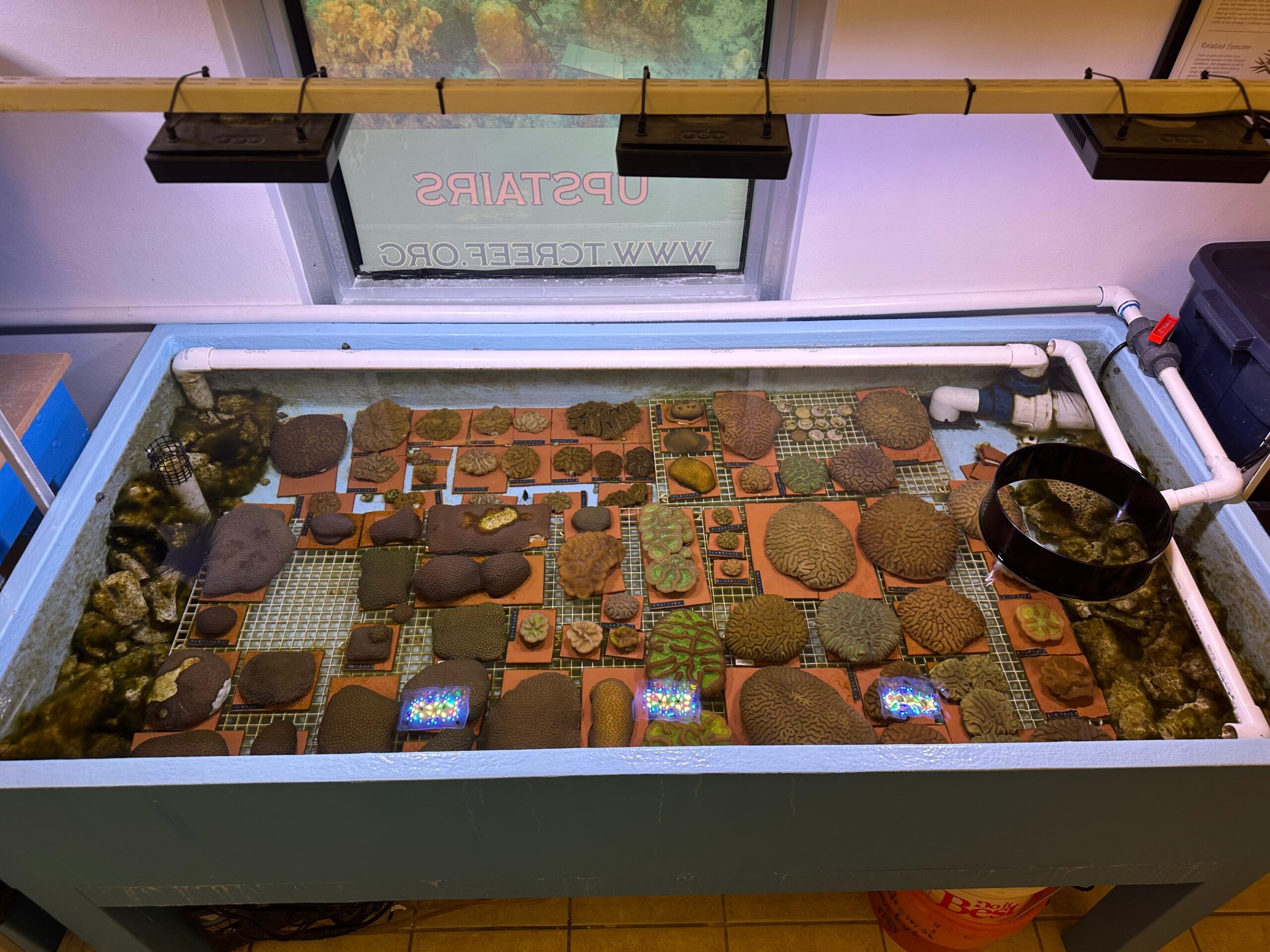
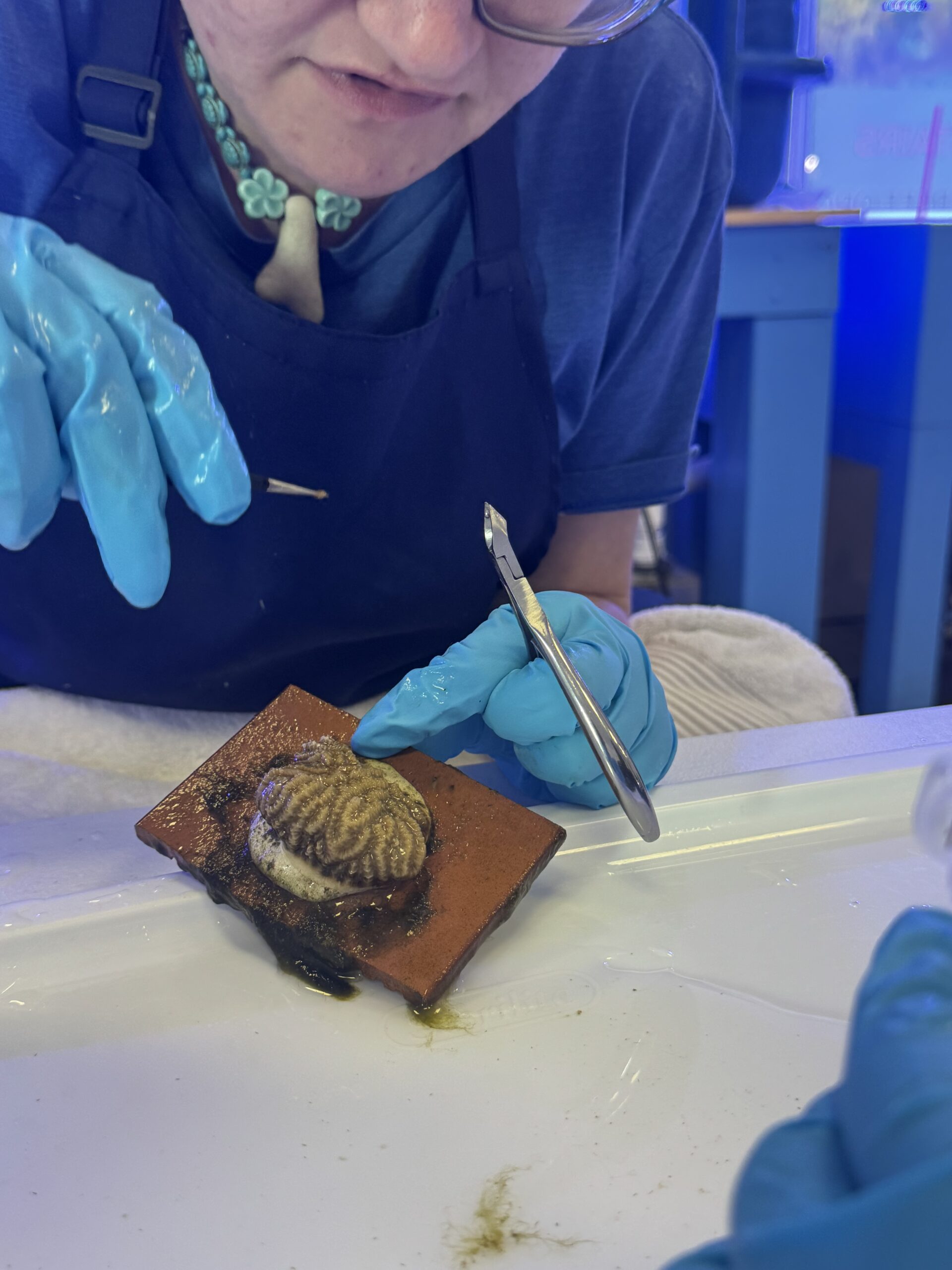
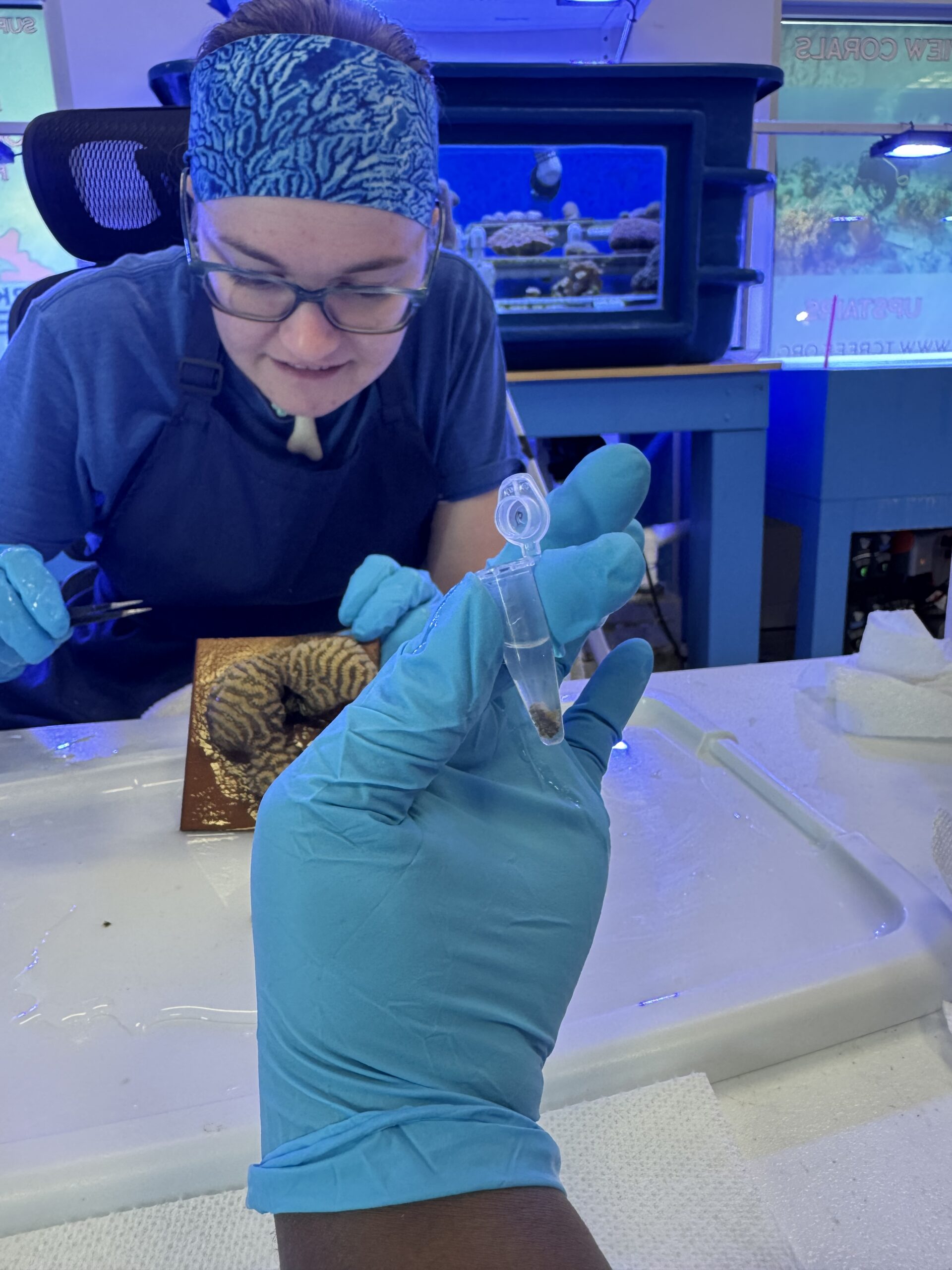
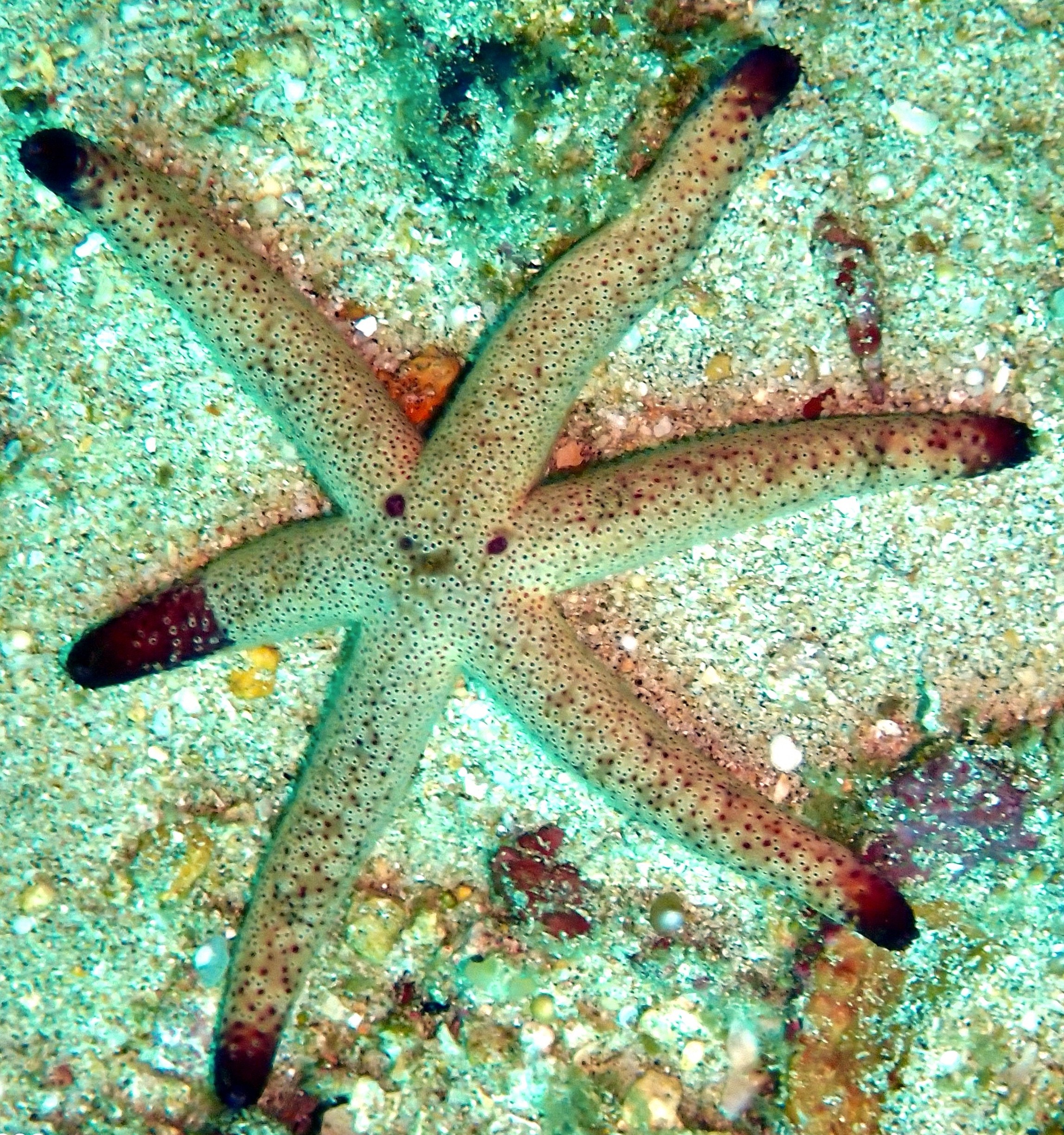
I spend part of my time doing fieldwork, where I dive on coral reefs to collect samples of coral rubble (broken pieces of reef) and the animals that live in it. I then work in a laboratory to study DNA, which is the genetic information found in all living things. This helps us understand which species are present and how reef communities are connected.
I also use maths, statistics, and computer mapping to analyse large sets of data and create maps showing reef habitats and environmental changes. By combining underwater work, lab science, and data analysis, I can better understand reef health and support conservation and restoration efforts
-
My Typical Day:
My job is so varied that I don’t really have a typical day. I can have very long days when I am collecting data in the field. In the lab or when I am working on data analysis, I have a more regular 9-5 day.
-
Read more
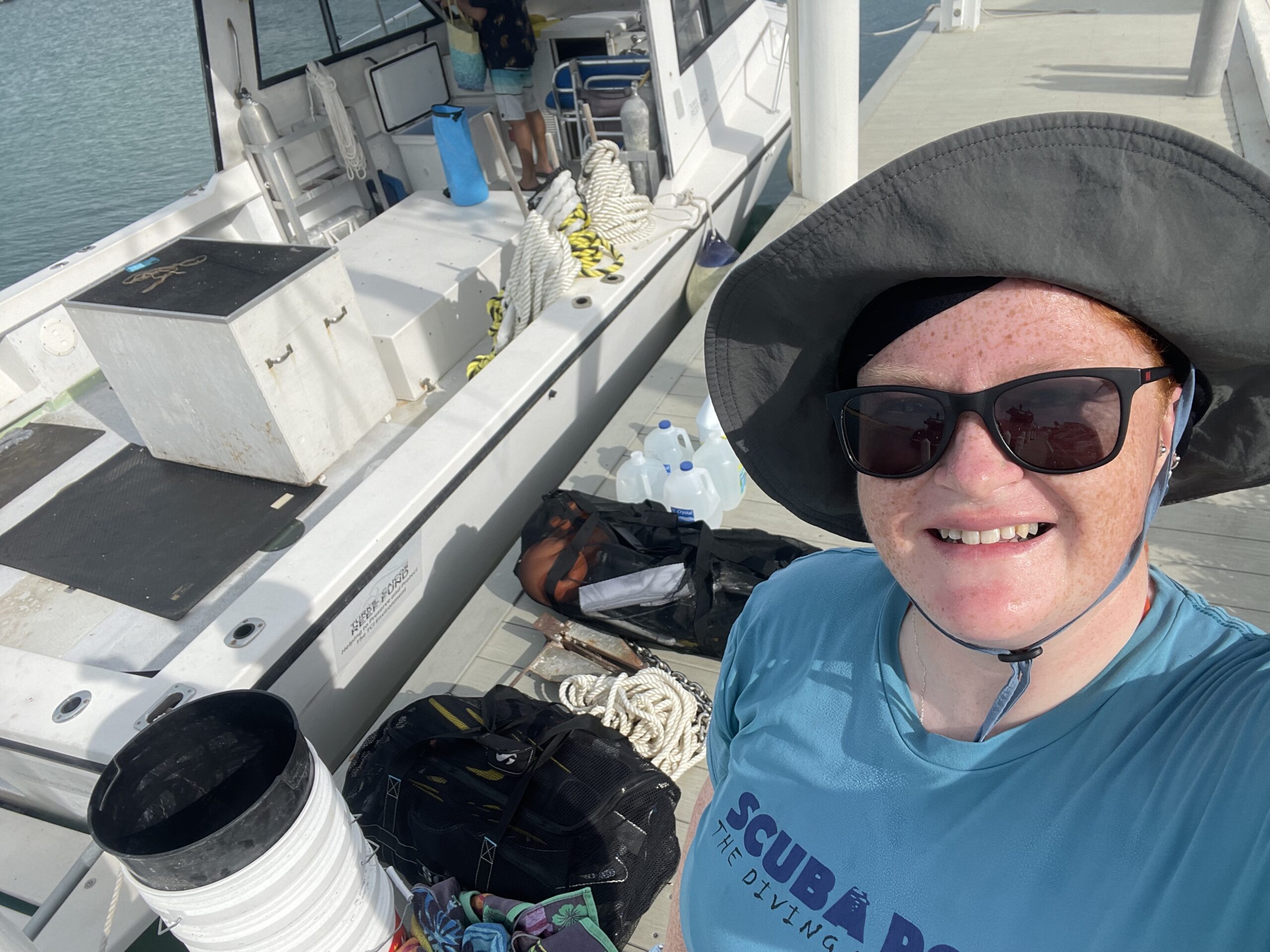
Typical Field Day – I wake up early (usually around 5/6am), get breakfast, and make sure everything is organised/packed/charged for the day. We head out on the boat around 8am and do 3 dives. In between dives we grab a quick snack and sort samples/change camera batteries. We usually get back to the dock around 4-5pm, unload everything, and head to the lab/accommodation where all the samples need to be sorted and labelled before we head to sleep. Its a long day, and we often don’t finish till 10-11pm! Field days are long and tiring, but we have limited time on these trips and if the weather is good, we have to go go go, in case next week it isn’t.
Typical Lab Day – I wake up and have breakfast before heading to the lab (anywhere from 7-9am depending on what needs to be done). We often have samples which need to have their DNA extracted, prepared, and sequenced. There are also admin tasks of stock checking chemicals and supplies, cleaning and servicing equipment, and training interns/students to use the lab safely which I do when samples are running.
Typical Analysis Day – I usually do analysis from home, so it is a much more chilled day. I take my dog for a walk and have breakfast before sitting down at the computer (around 9am) and working on some analysis or writing (journal articles, website posts, funding reports, grant applications, etc). On these days, I usually teach my high school students from 4-8pm and then head to bed.
-
What I'd do with the prize money:
If I won the £500 prize money, I would use it to create hands-on coral reef science kits and interactive workshops for students. These would include simple activities about coral biology, DNA science, and reef mapping, helping students explore real marine science in their classroom.
I would also develop short videos and live virtual sessions from the field in the Caribbean, so students can see what coral reef research looks like in real life and ask questions about marine science careers.
-
Education:
I went to school in Edinburgh and then to The University of Edinburgh. I then went to St. George’s University in the West Indies for a B.Sc., Bangor University for my M.Sc., and The University of Aberdeen for my Ph.D.
-
Qualifications:
I studied Biology, Chemistry, Physics, Maths, English, Geography, Latin, German, and Business at Standard Grade/Intermediate 2 level (now National 5 in Scotland/ GCSE level equivalent). I then studied Biology, Chemistry, Physics, Maths, English, and Geography at Higher (AS level equivalent), and Maths, Physics, and Geography at Advanced Higher/A-level.
I originally went to Edinburgh University to study Geophysics and Meteorology but realised after the first semester that it wasn’t for me. I then switched to Geology and Physical Geography. I also didn’t enjoy that and dropped out at the beginning of year 3. After taking a post-university gap year to work as a SCUBA diving instructor, I decided to go to a university in the Caribbean to study a bachelor’s (B.Sc.) Marine, Wildlife, and Conservation Biology. I fell back in love with learning and research and then went on to do a master’s (M.Sc.) in Marine Biology at Bangor University in Wales, and finally my Ph.D. in Marine Biology at Aberdeen University.
-
Work History:
After my time at Edinburgh University, I worked as a nanny for a few years (which is actually when I learnt to SCUBA dive). Then I worked as a dive instructor for 6 years abroad while I did my B.Sc. I have since worked as a science/maths/geography tutor (for high school kids) and teaching assistant for undergraduate courses at my various universities.
I also did the usual babysitter, pet sitting, Edinburgh festival ticket sales jobs when I was in high school and university in Edinburgh.
-
Current Job:
I am currently an independent postdoctoral researcher. I am not employed by an institution/university and I apply for grants to fund my work and salary.
-
Employer:
Self-employed/independent.
-
My Interview
-
How would you describe yourself in 3 words?
animal-loving marine biologist
What did you want to be after you left school?
A vet
Were you ever in trouble at school?
No
If you weren't doing this job, what would you choose instead?
Something else with animals
Who is your favourite singer or band?
P!nk
What's your favourite food?
Chocolate!
If you had 3 wishes for yourself what would they be? - be honest!
Endless research funding,
Tell us a joke.
Why do fish swim in saltwater? Because pepper makes them sneeze!
-